Our Measuring Instruments & Test Systems
Innovative measurement technology for power semiconductors since 1960
Device Categories
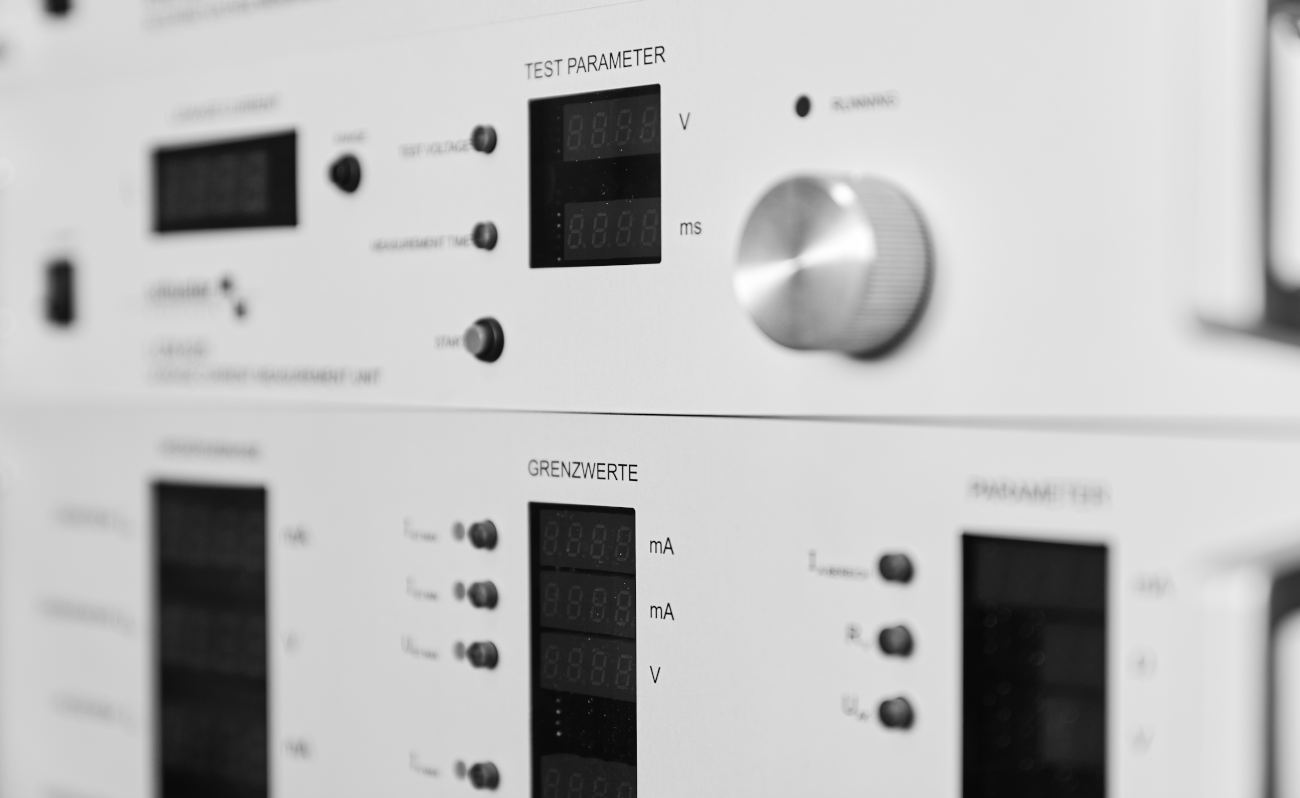
Laboratory
Characteristic curve measuring devices - when it comes to more than just data sheet value.
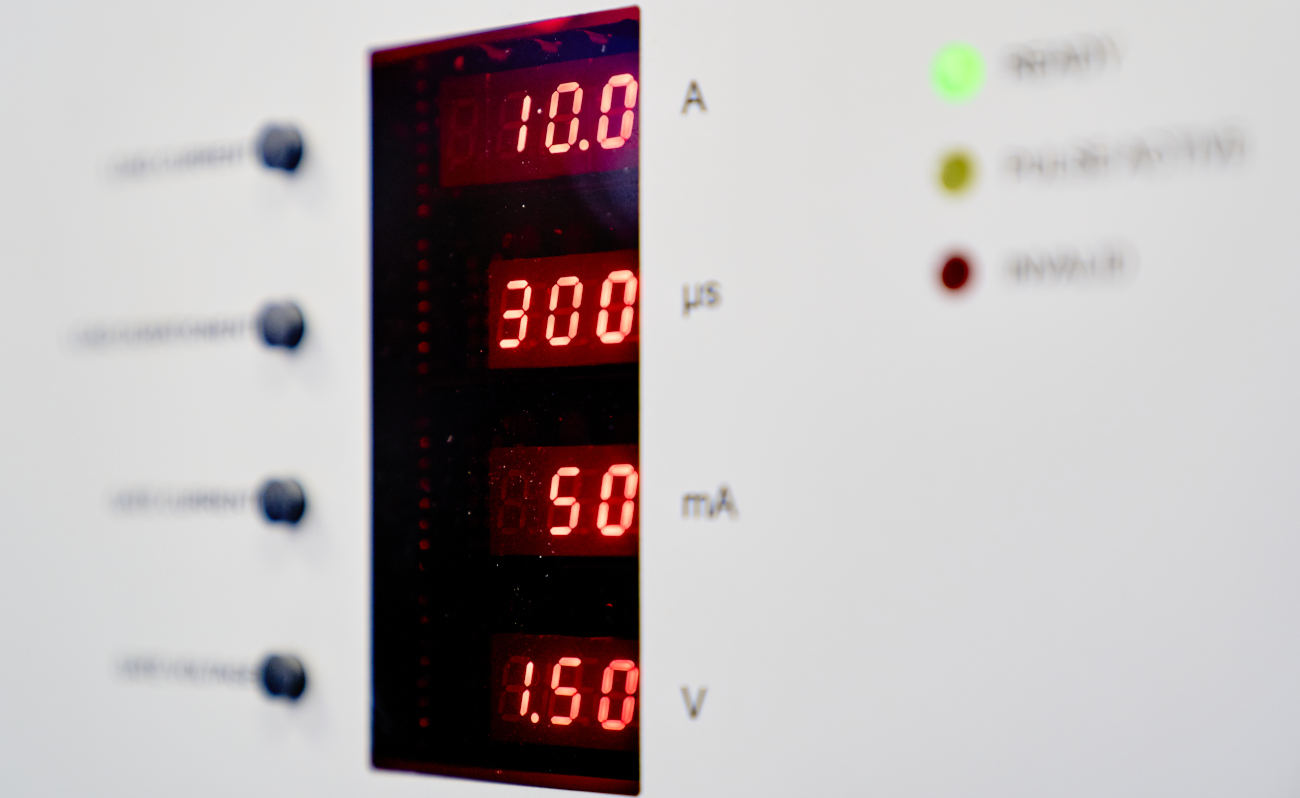
Production
Measurement technology - our benchmark is what makes sense for production, not just what is technically feasible. Practical solutions for demanding measurement tasks from nA and µV to kA and kV.
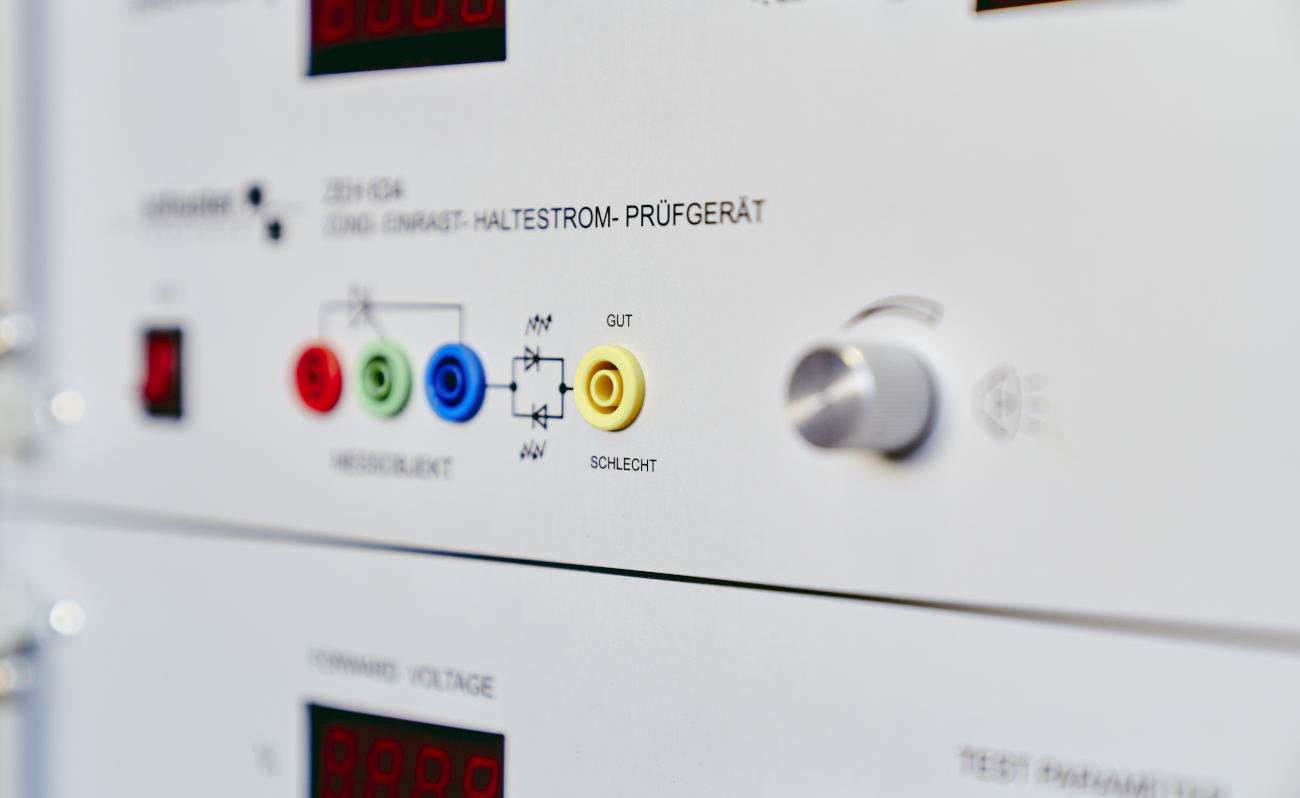
Quality Assurance
Today, product quality is the measure of all things and often the essential sales argument. We supply the tools for testing the service life expectancy of your modules - load cycles and high-temperature blocking bearings, parameterizable and remotely controllable, suitable also for your technology.
Power cycling test station
Our power cycling test stations verify the **thermomechanical lifetime** of power semiconductor modules — automated, over weeks and months, without user intervention. The system monitors each device individually, detects degradation early and documents the entire test history seamlessly. ### What is tested A load current heats the chip, switching off lets it cool down. These temperature cycles create mechanical stress at the material interfaces inside the module — particularly at **bond wires**, **solder layers** and the **chip metallization**. The test provokes exactly the failure mechanisms that also occur in real operation, only accelerated. Two test modes cover different weak points: - **Short cycles (PCsec):** Second-long heating pulses primarily stress bond wires and chip surface - **Long cycles (PCmin):** Minute-long heating tests deeper solder layers and package attachment ### Built for continuous operation Over decades, Schuster Elektronik has built power cycling test stations for customers in **module development**, **quality assurance** and **production support** — across Europe, North America and Asia. Our systems typically run 24/7 over several weeks — PLC-controlled, with automatic limit monitoring and remote access via network. When anomalies occur, the operator is notified by email without anyone needing to be present at the equipment. ### Our systems at a glance - Load currents from **10 A to 2000 A** - Up to **36 test stations** per system in independent strings - Automatic Zth comparison via VCE(T) method - Suitable for **IGBT, MOSFET, SiC-MOSFET, diodes and thyristors** - Network interface for remote monitoring and data export - Designed for **AQG 324** (PCsec and PCmin)
HTRB, HTGB, H3TRB
Our HTRB test systems verify the **long-term reliability** of power semiconductors under extreme conditions — high temperature, high voltage, humidity. The systems run autonomously for **1,000 hours and more**, monitor each device individually and document the entire test history. Three test methods target different weak points. ### HTRB — Reverse voltage under sustained stress The device is stressed at 150 – 230 °C with its maximum reverse voltage. Over 1,000 hours, it becomes clear whether the junction remains stable or leakage currents increase. Typical weak points: contamination on the chip surface, defects in the edge termination and aging of the passivation. Our system continuously measures the leakage current of every single channel — anomalies are detected immediately. ### HTGB — Gate oxide under stress This test targets the gate oxide rather than the blocking junction: maximum gate voltage at maximum temperature. The test reveals whether the device's turn-on threshold shifts over time. For **SiC devices** in particular, this test is critical — the interface between SiC and gate oxide is more sensitive than in silicon and reacts more strongly to sustained stress. With independent gate voltage sources per channel, you can run HTRB and HTGB on **the same platform** — without hardware reconfiguration between tests. ### H3TRB — Humidity as a stress factor The device is stressed at 85 °C and 85% relative humidity with reverse voltage. The combination of heat, moisture and electric field can cause corrosion and short circuits inside the device over months — failure mechanisms that never occur in a dry laboratory environment. ### Built for continuous operation For decades, Schuster Elektronik has been building test systems for **semiconductor qualification** — for module manufacturers, suppliers and test laboratories across Europe, North America and Asia. Our systems are designed for weeks of autonomous operation: - Test voltage up to **±2,000 V** (Si, SiC, GaN) - **18 single specimens** or **9 half-bridge modules** per station - Bias current measurement up to 300 mA per channel - Temperature measurement up to 200 °C directly at the DUT - Modular expansion to more than 10 stations - Automatic limit monitoring with immediate shutdown - **Network interface** for remote monitoring and data export - Compliant with common qualification standards (AQG 324, AEC-Q101, JEDEC)
Our Product Catalog
Showing 46 products
Devices by Application
Measuring Systems
Devices by Measured Quantity
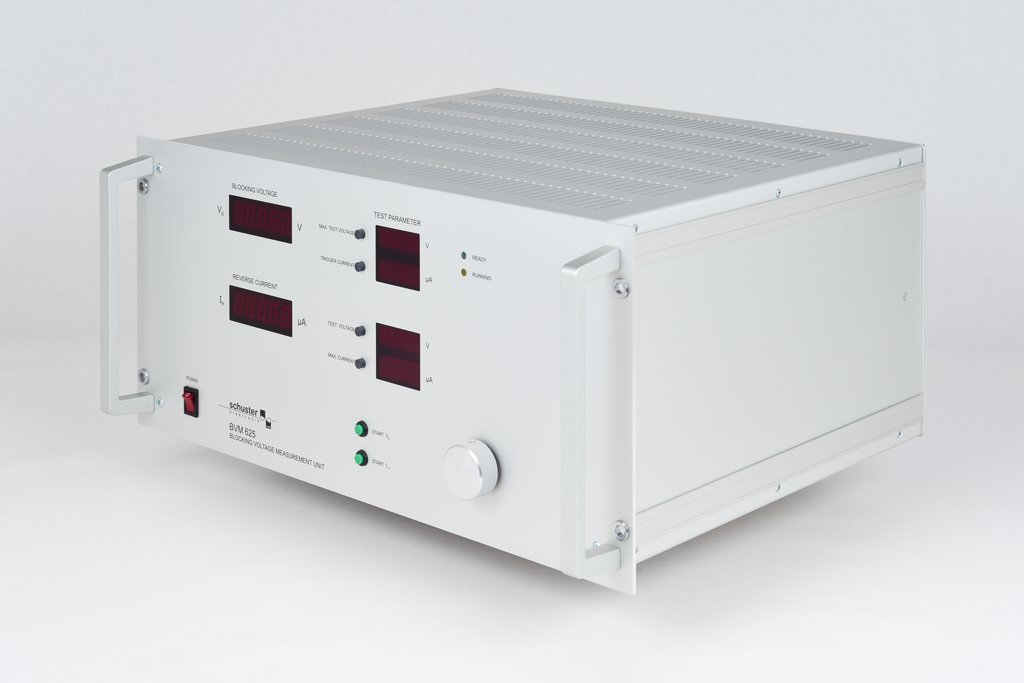
BVM 625
BLOCKING VOLTAGE MEASUREMENT UNIT
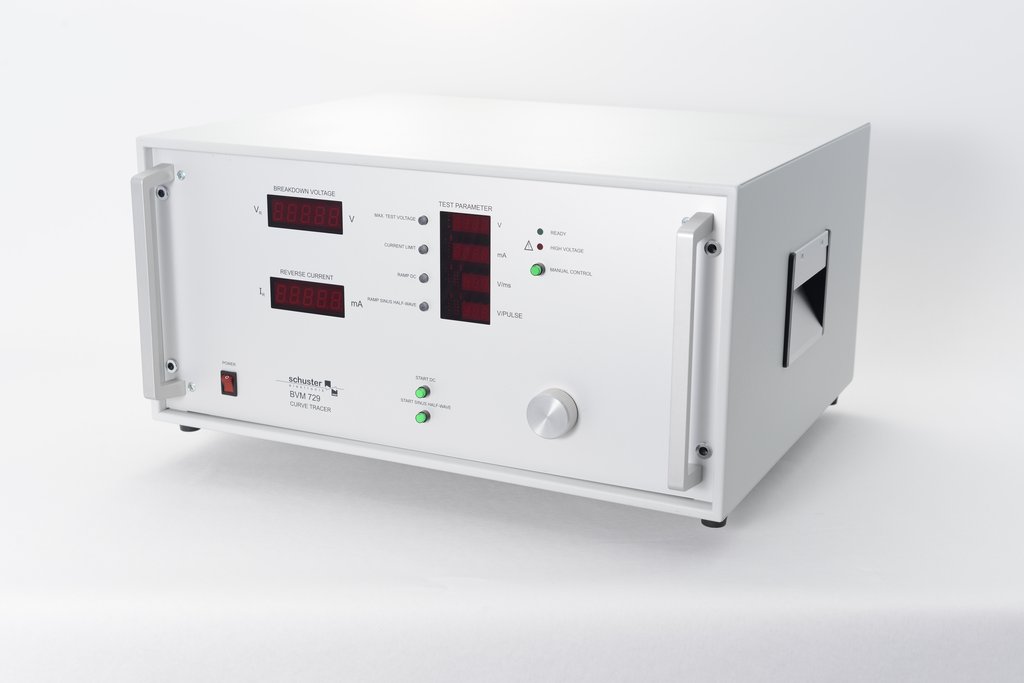
BVM 729
Characteristic Curve Measuring Device
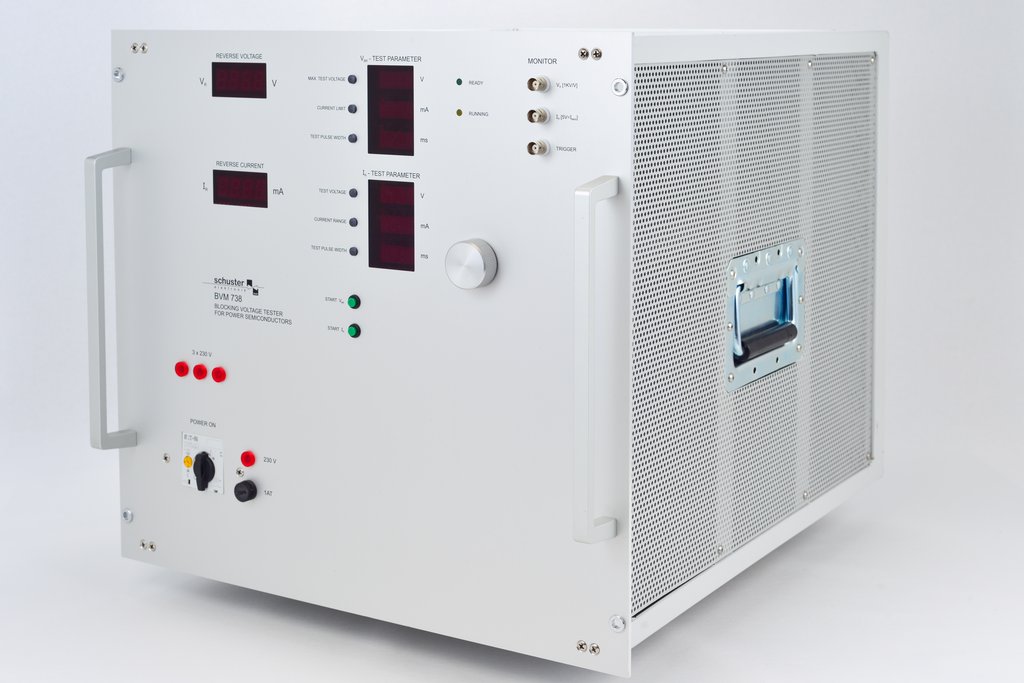
BVM 738
BLOCKING VOLTAGE¬ TESTER FOR POWER SEMICONDUCTORS
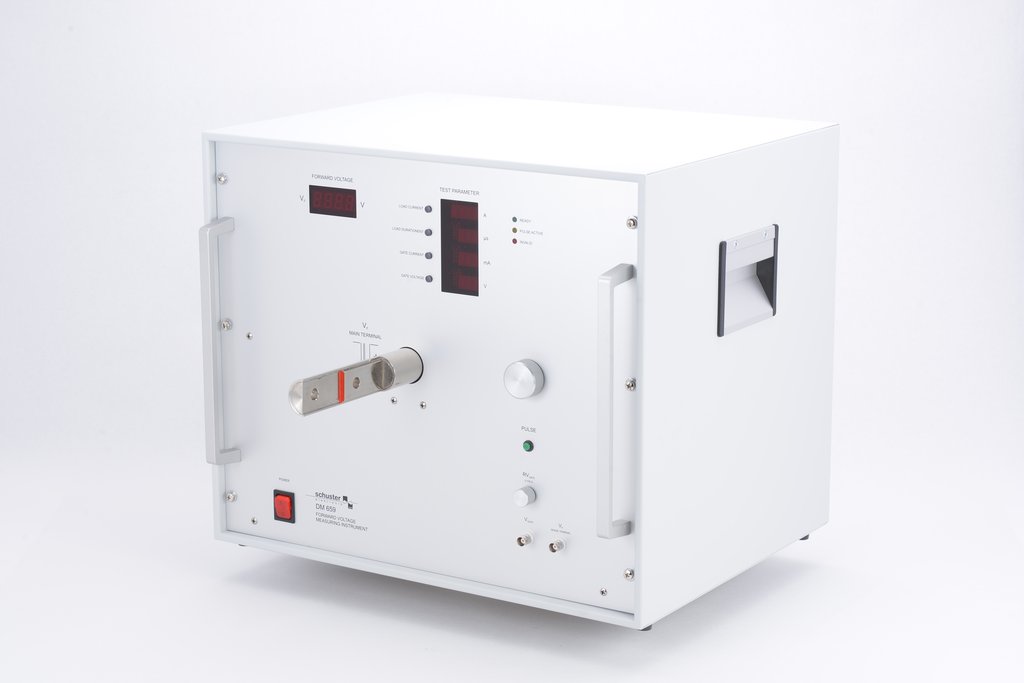
DM 659
FORWARD VOLTAGE MEASURING DEVICE
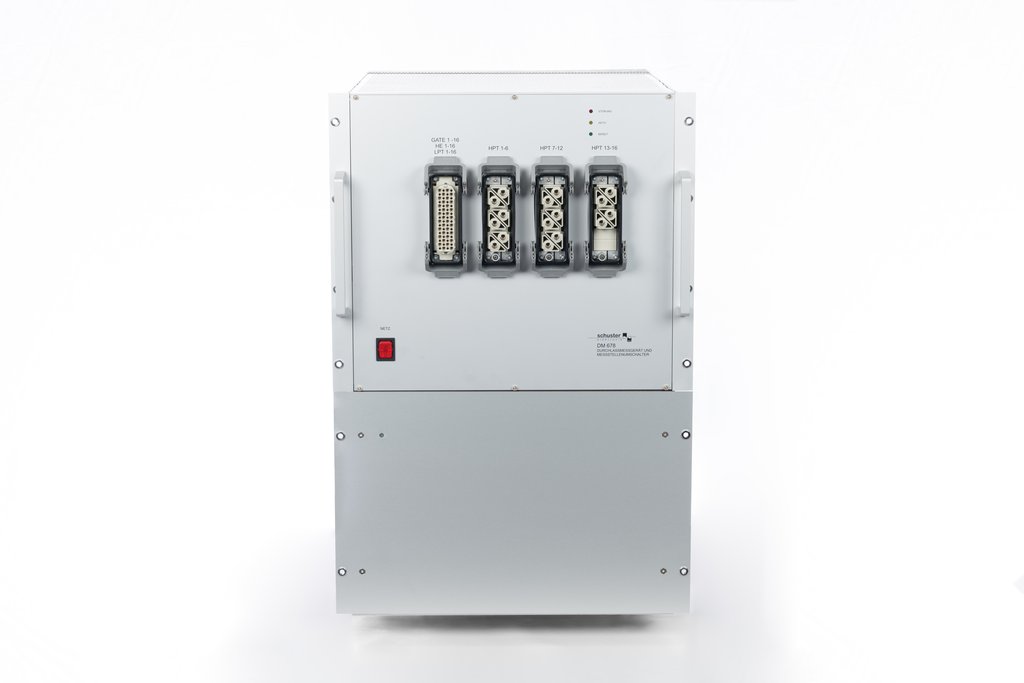
DM 678
FORWARD VOLTAGE MEASURING SYSTEM WITH MULTIPLEXER
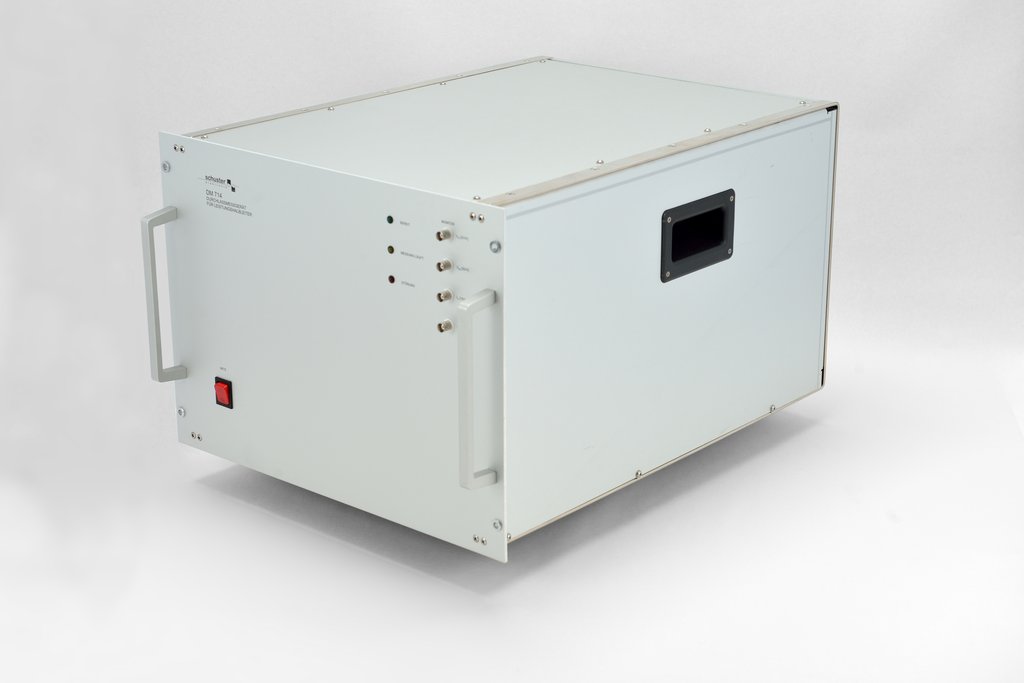
DM 714
FORWARD VOLTAGE MEASURING DEVICE
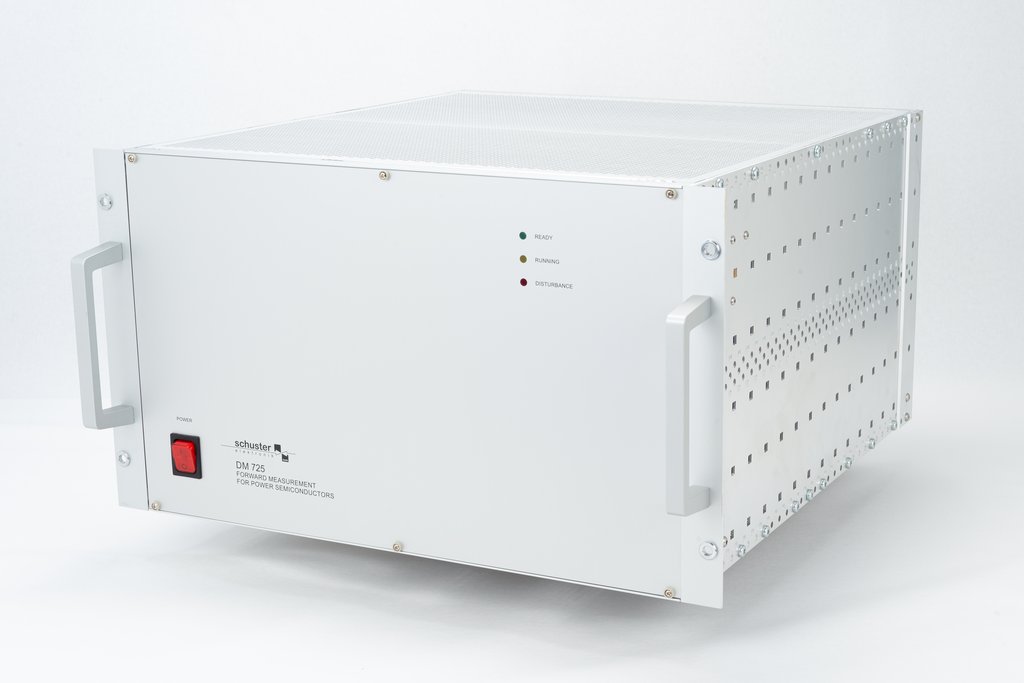
DM 725
FORWARD VOLTAGE MEASURING DEVICE
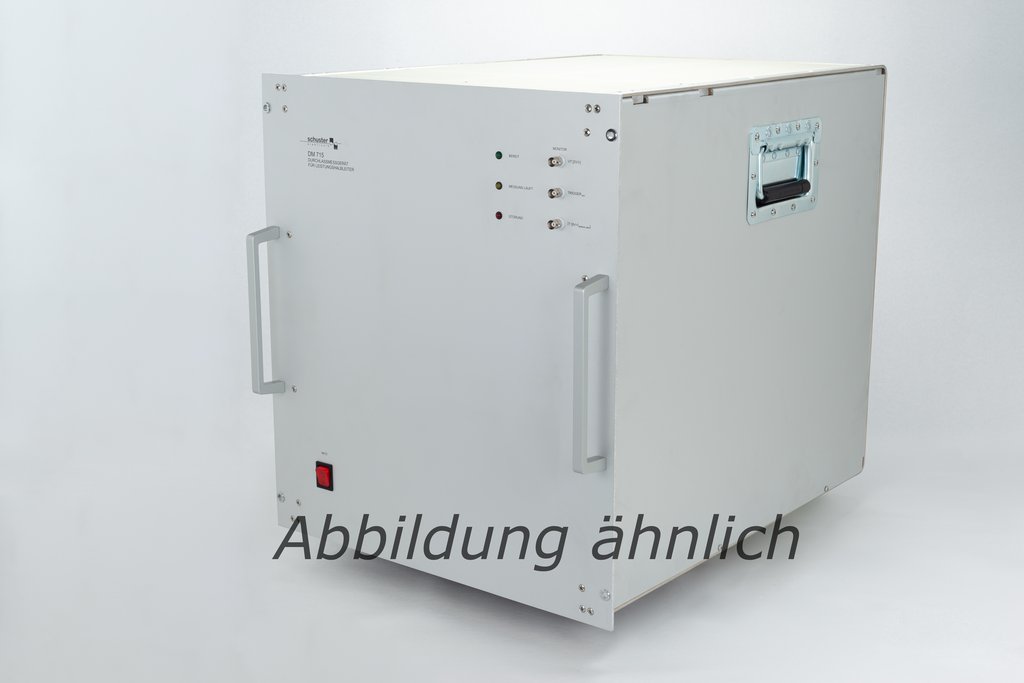
DM 736
FORWARD VOLTAGE MEASUREMENT UNIT
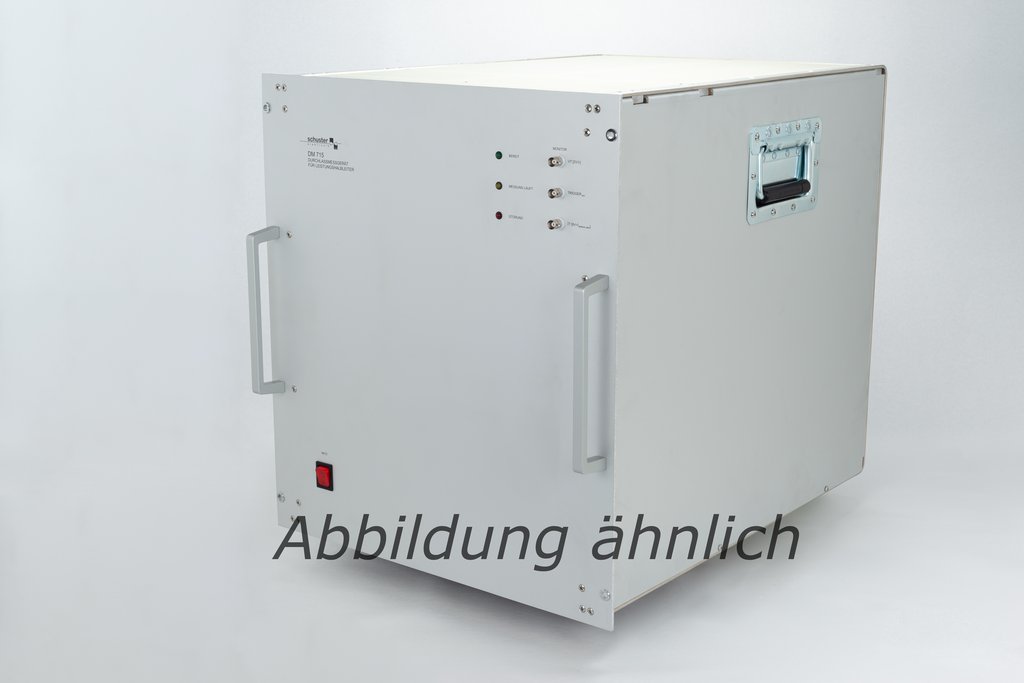
DM 821
FORWARD VOLTAGE MEASURING DEVICE FOR POWER SEMICONDUCTORS
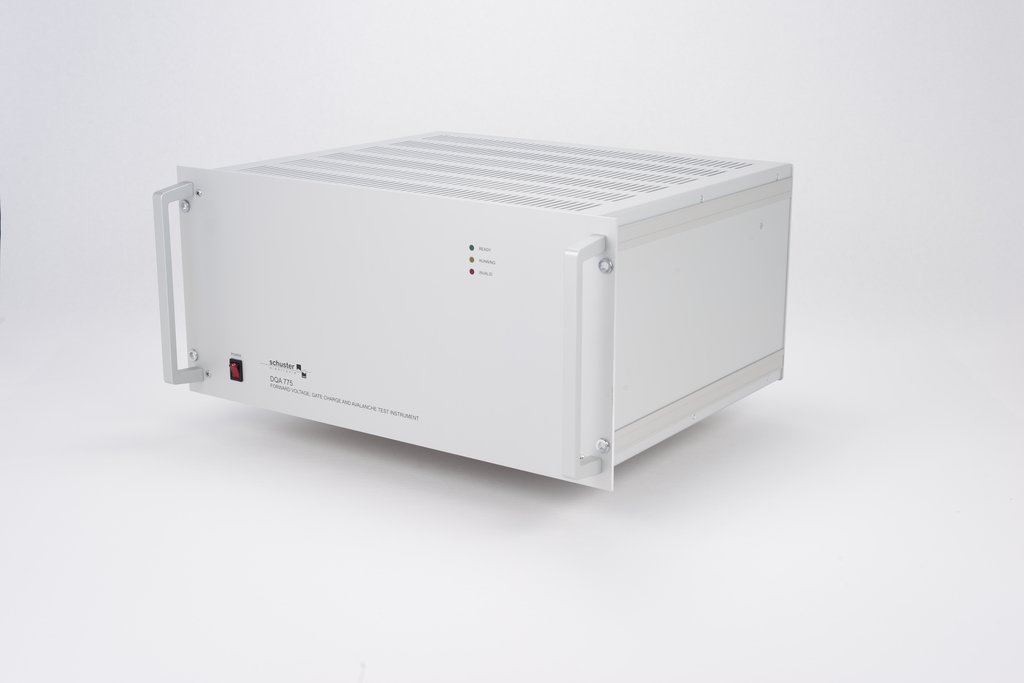
DQA 775
FORWARD VOLTAGE, GATE CHARGE, AND AVALANCHE MEASURING DEVICE
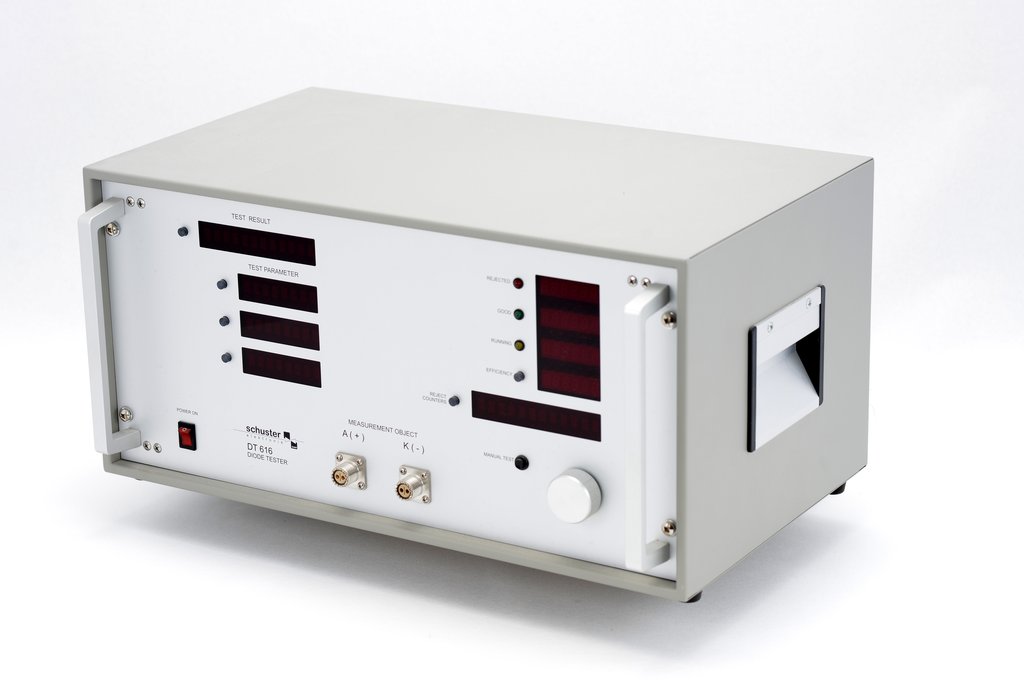
DT 616
DIODE TESTER
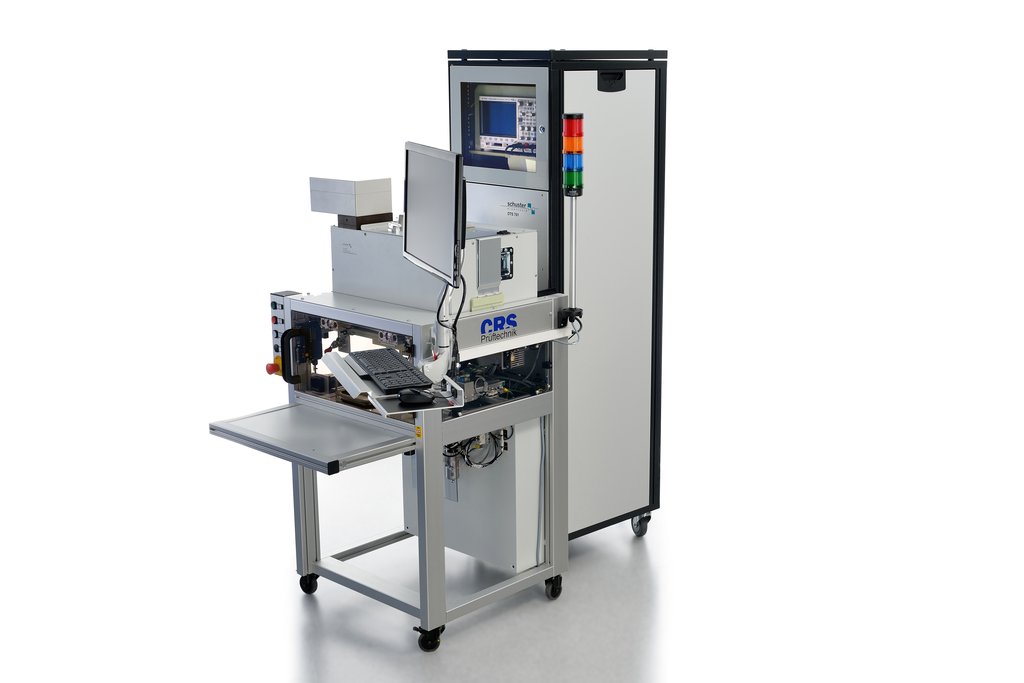
DTS 761
DYNAMIC TEST SYSTEM FOR POWER SEMICONDUCTORS
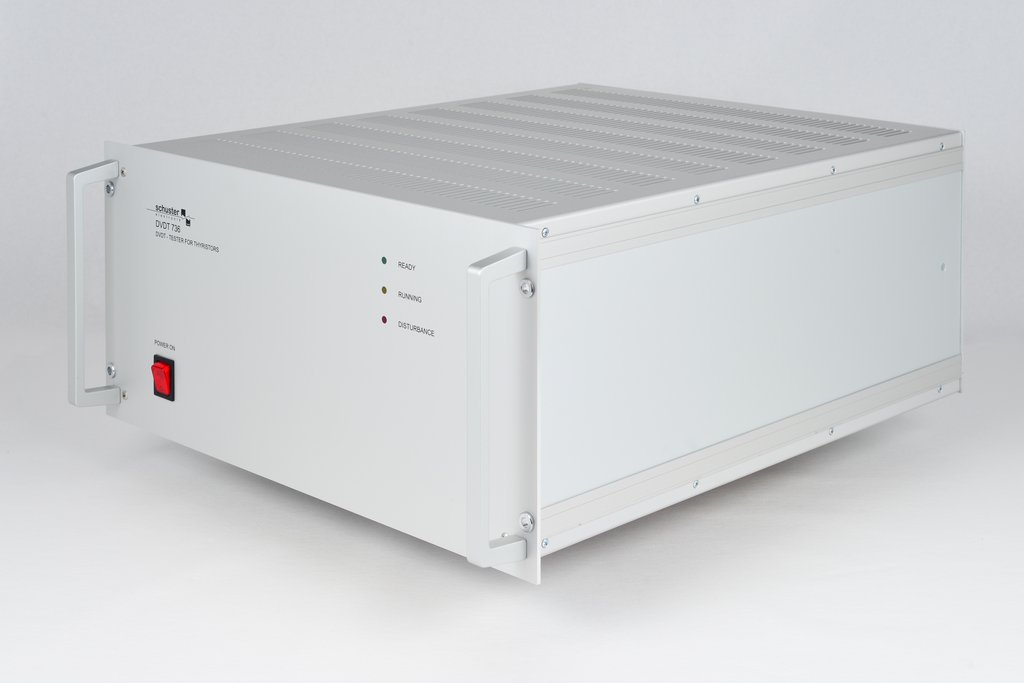
DVDT 736
DV/DT TESTER FOR THYRISTORS
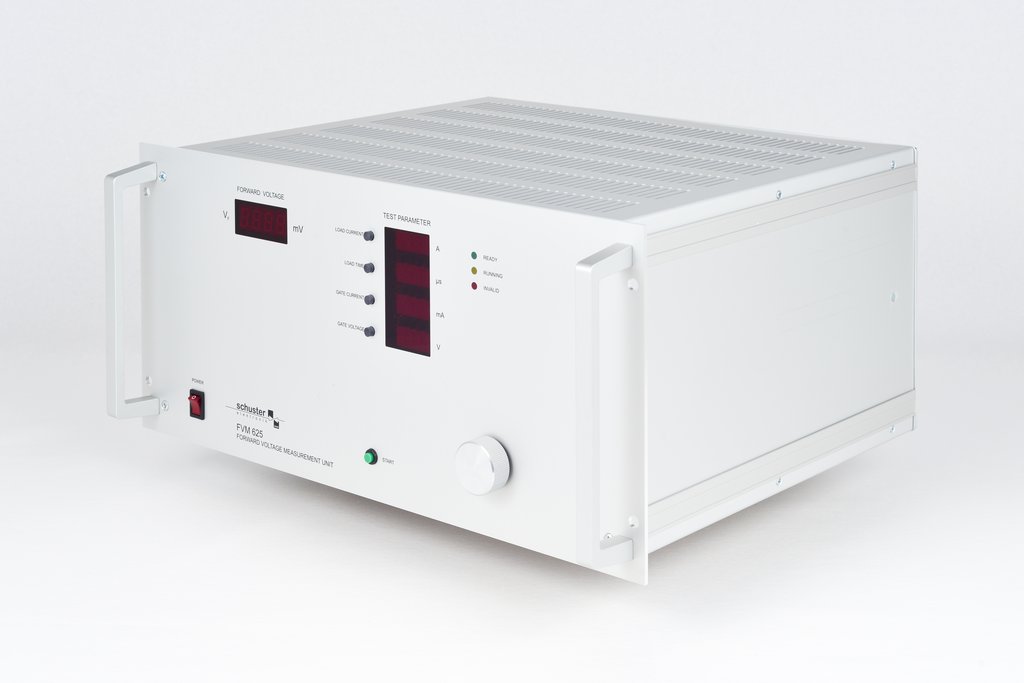
FVM 625
FORWARD VOLTAGE MEASUREMENT UNIT
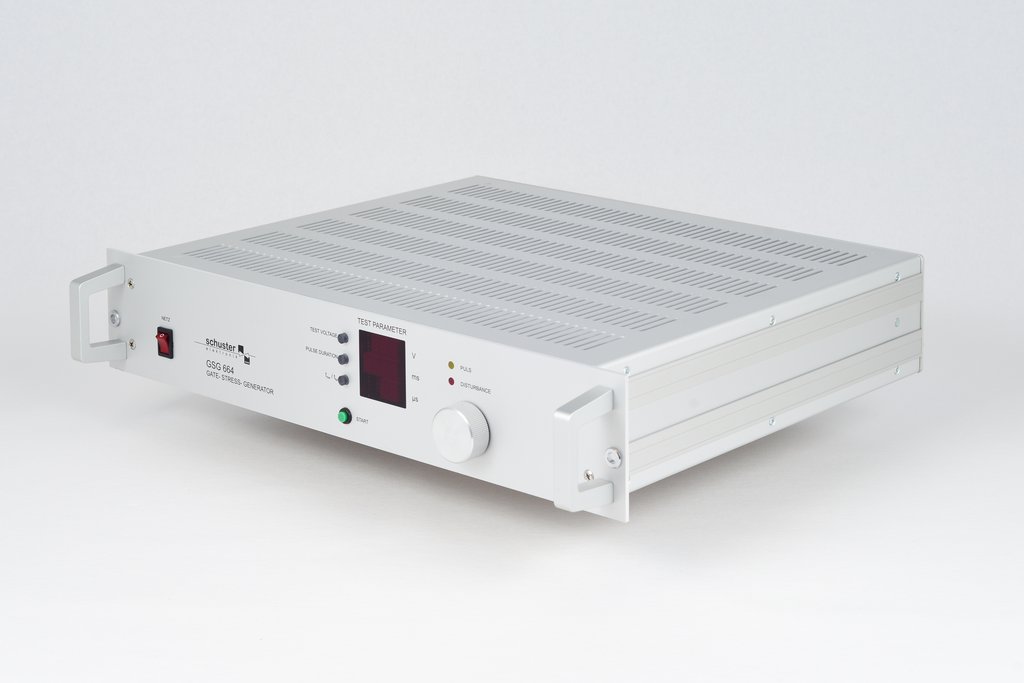
GSG 664
GATE STRESS GENERATOR
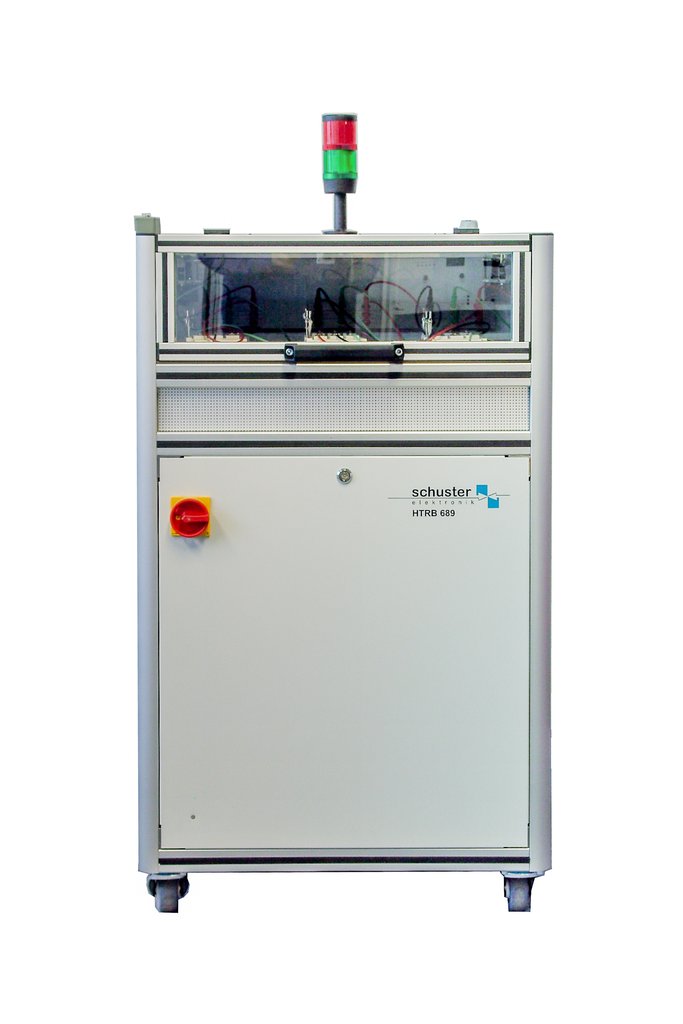
HTRB 689
TEST SYSTEM FOR HIGH TEMPERATURE REVERSE BIAS OF POWER SEMICONDUCTORS
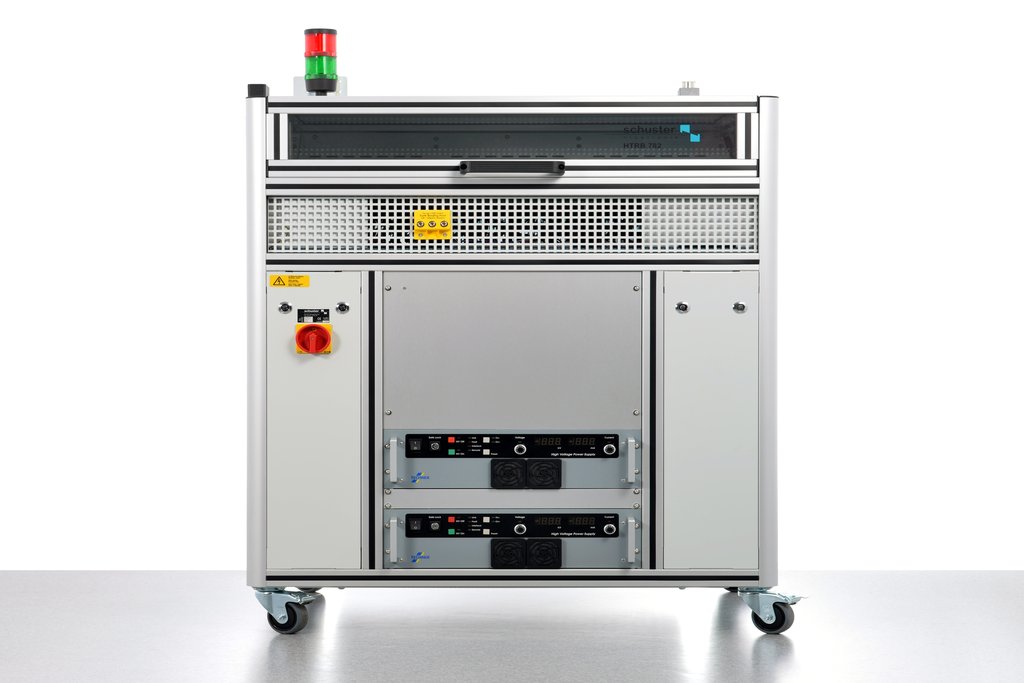
HTRB 782
TEST STATION FOR HIGH TEMPERATURE REVERSE BIAS
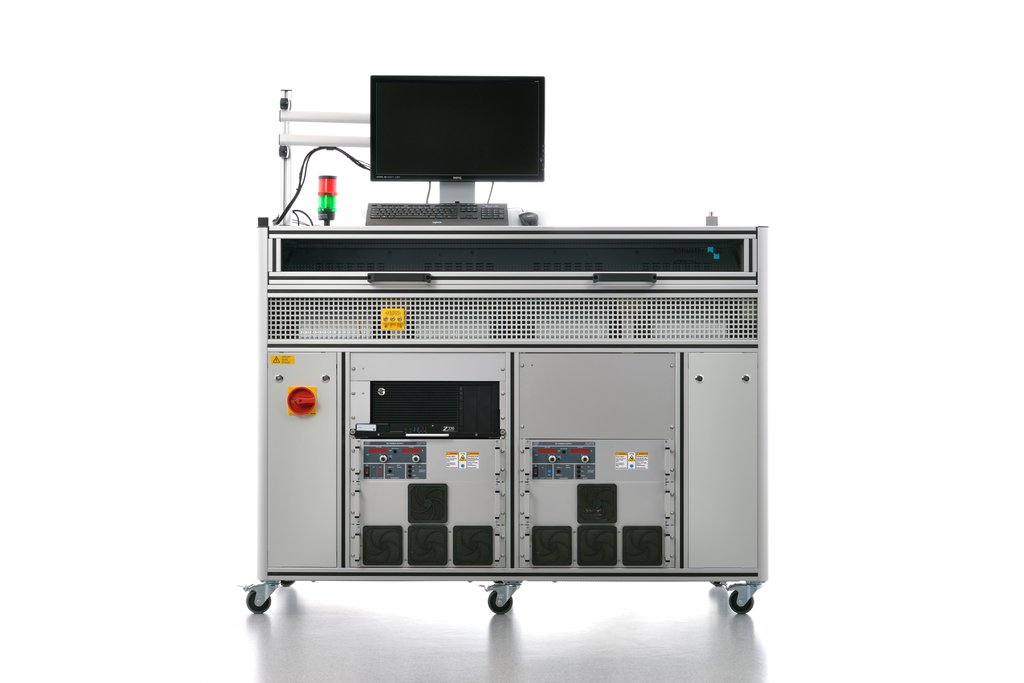
HTRB 784
PRÜFANLAGE FÜR HOCHTEMPERATURSPERRLAGERUNG
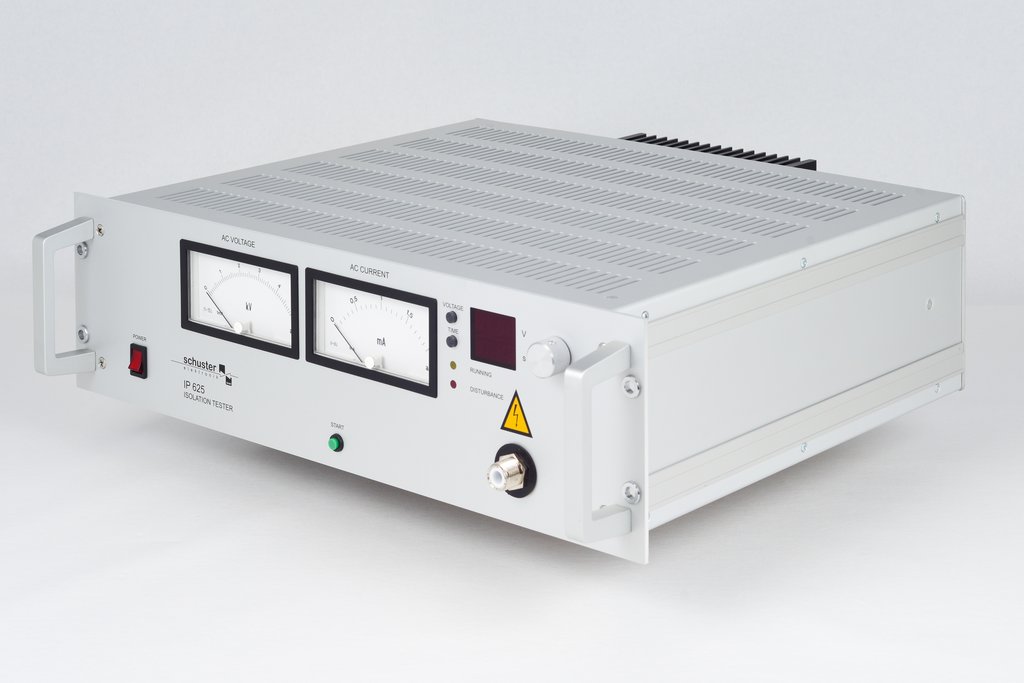
IP 625
ISOLATION TESTER
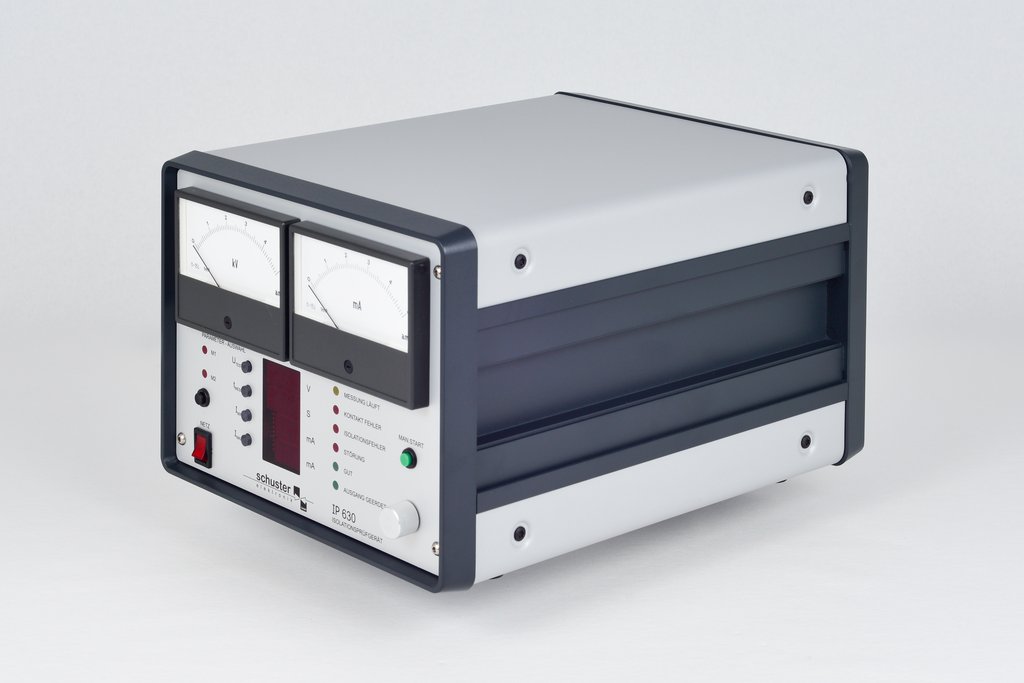
IP 630
ISOLATION TESTER
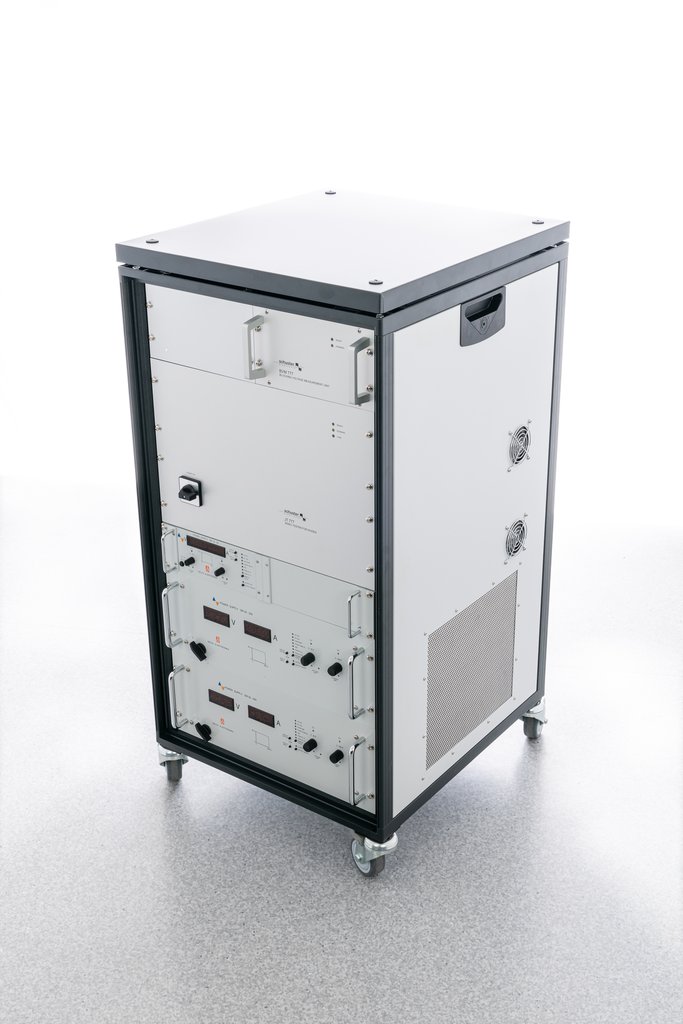
JT 777
JEDEC TESTER FOR DIODES
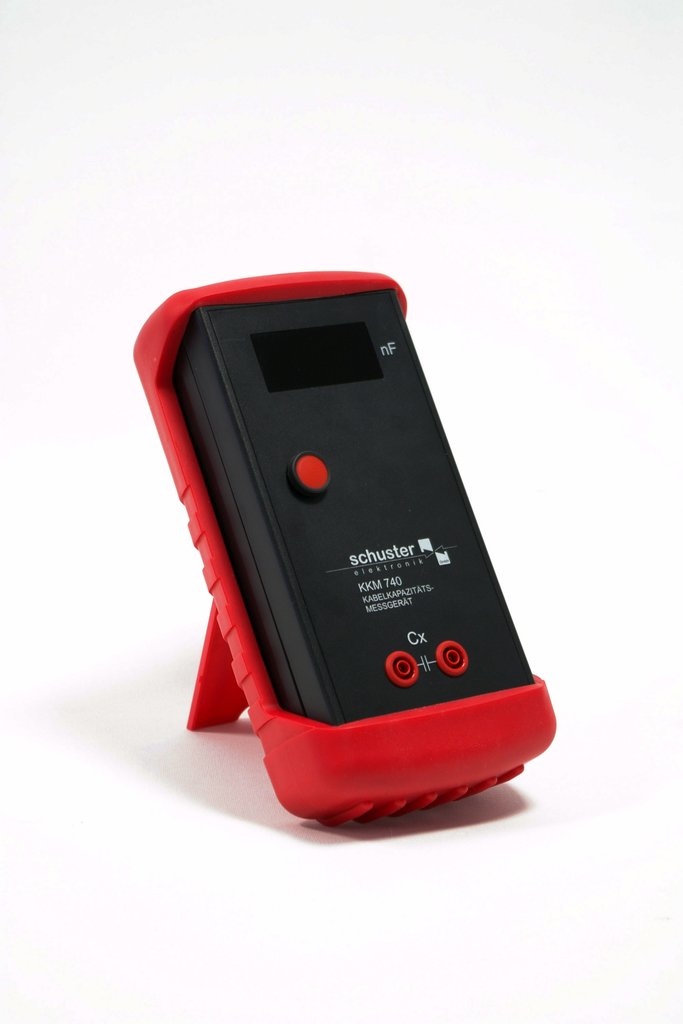
KKM 740
CABLE CAPACITY MEASUREMENT DEVICE
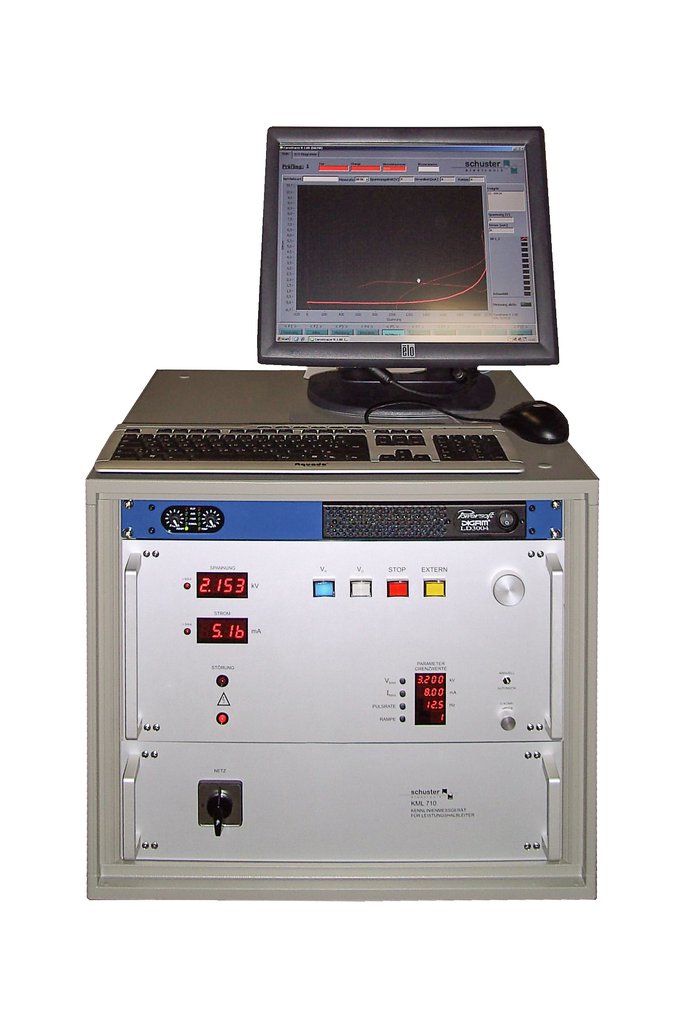
KML 710
BLOCKING VOLTAGE TESTER FOR POWER SEMICONDUCTORS
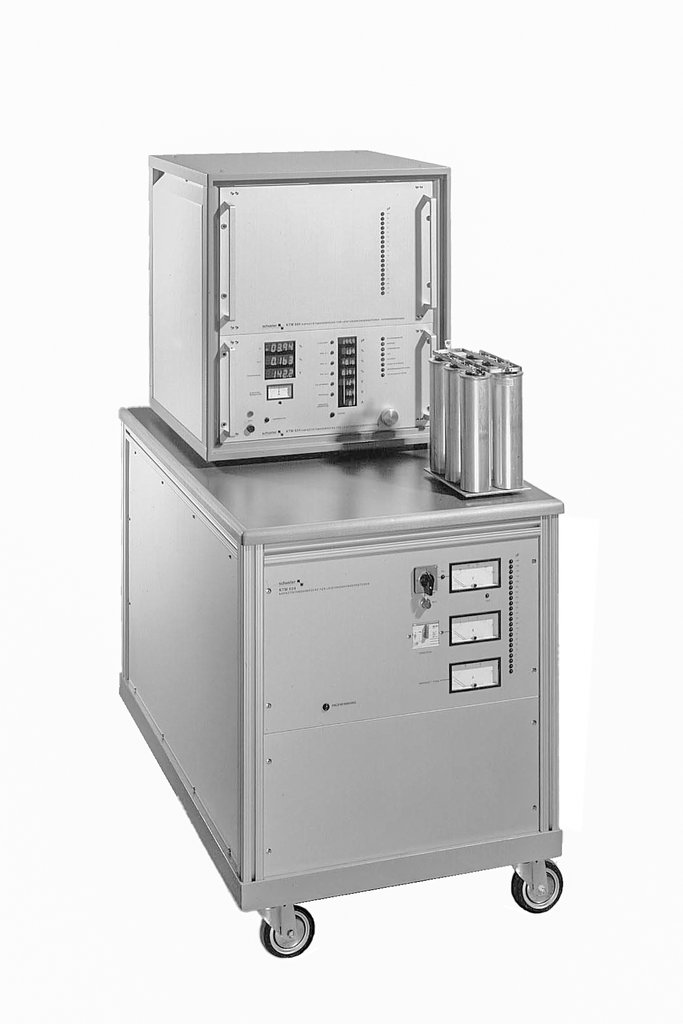
KTM 604
CAPACITY TOLERANCE MEASURING BRIDGE FOR POWER CAPACITORS
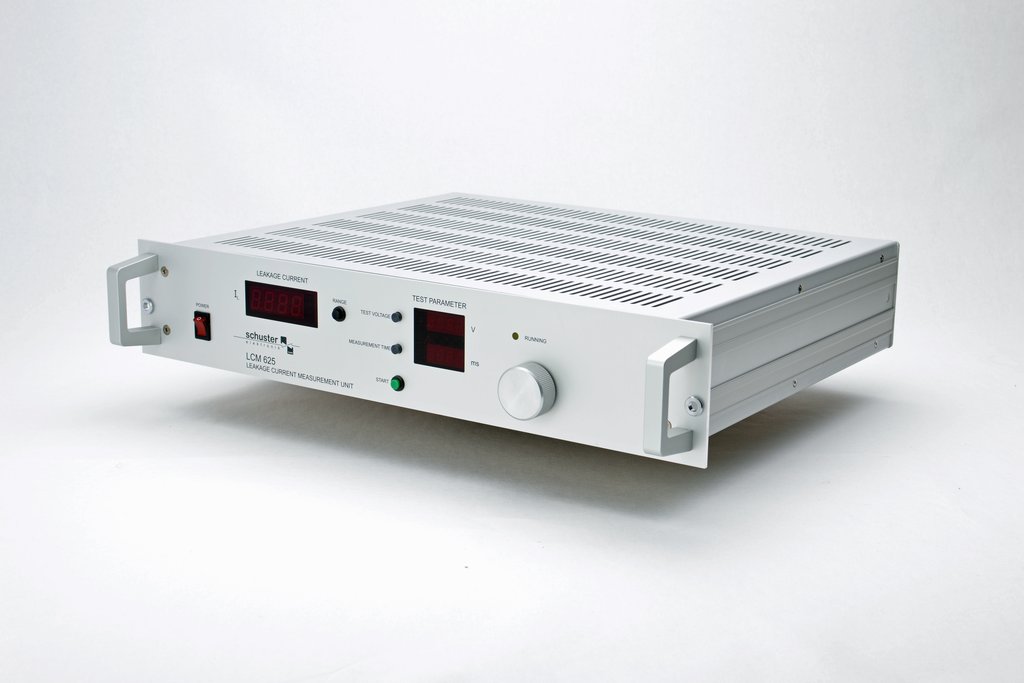
LCM 625
MEASURING DEVICE FOR LEAKAGE CURRENT OF MOS-TRANSISTORS AND IGBTs
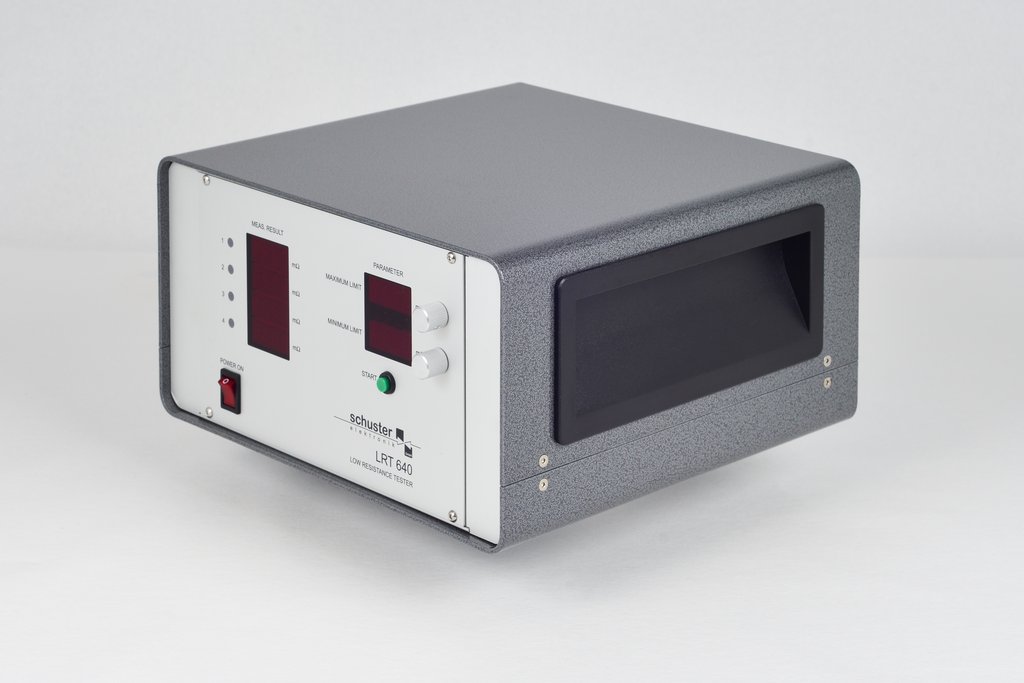
LRT 640
LOW RESISTANCE TESTER
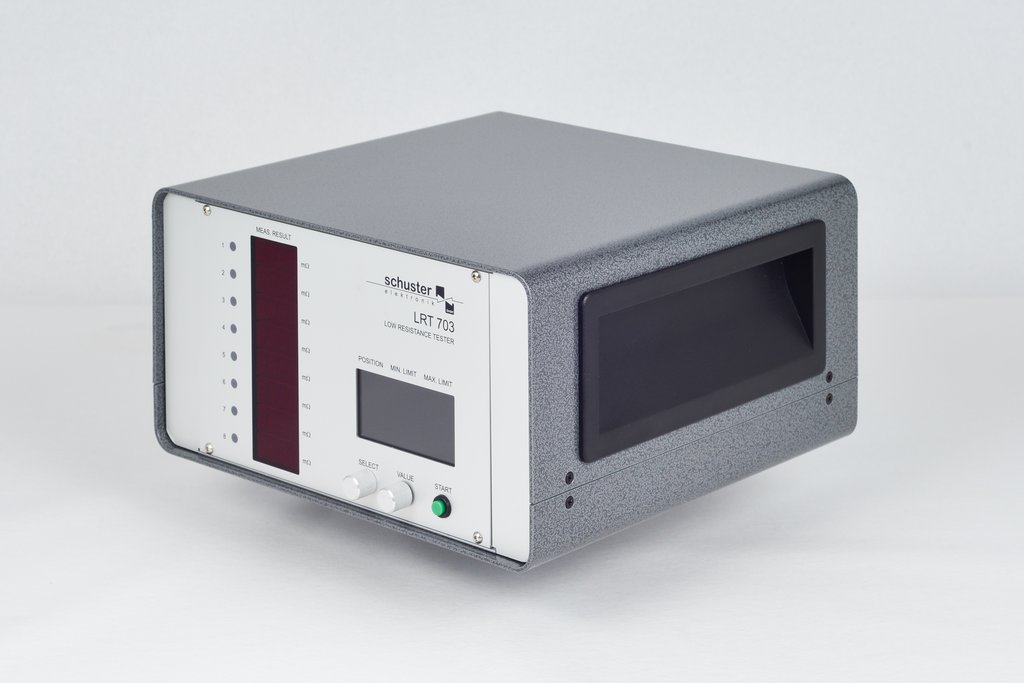
LRT 703
LOW RESISTANCE TESTER
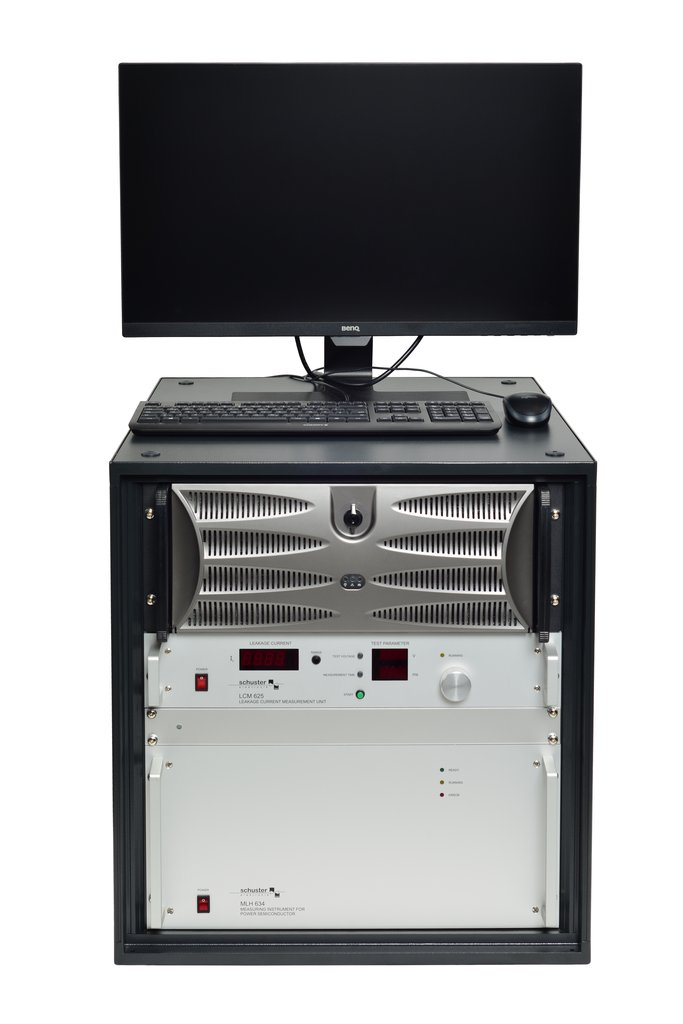
MLH 634
MEASURING SYSTEM FOR POWER SEMICONDUCTORS
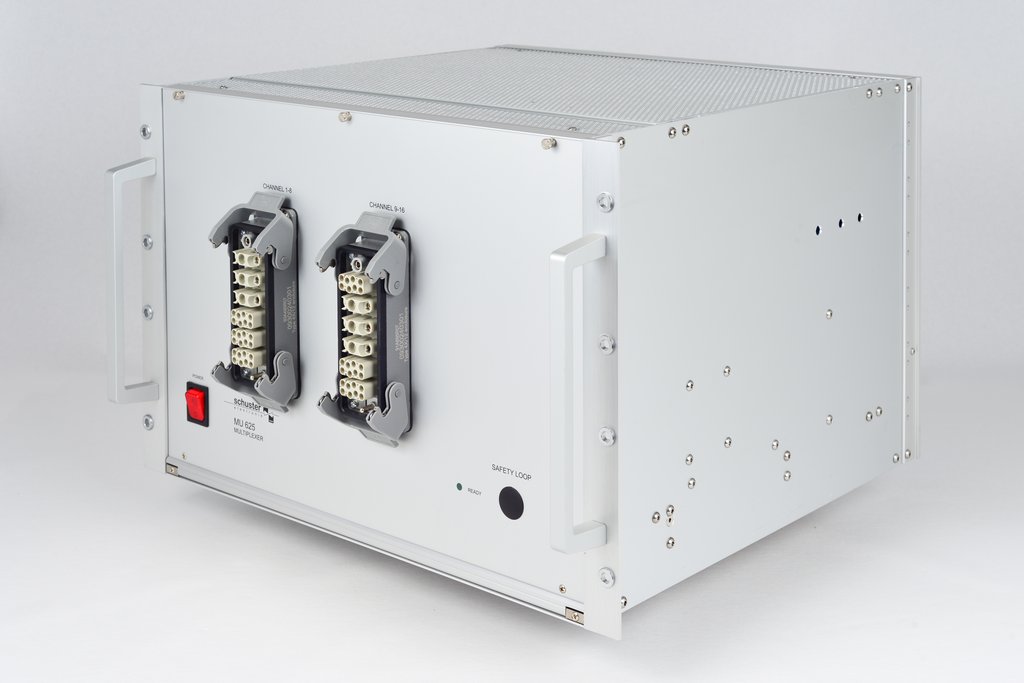
MU 625
MULTIPLEXER
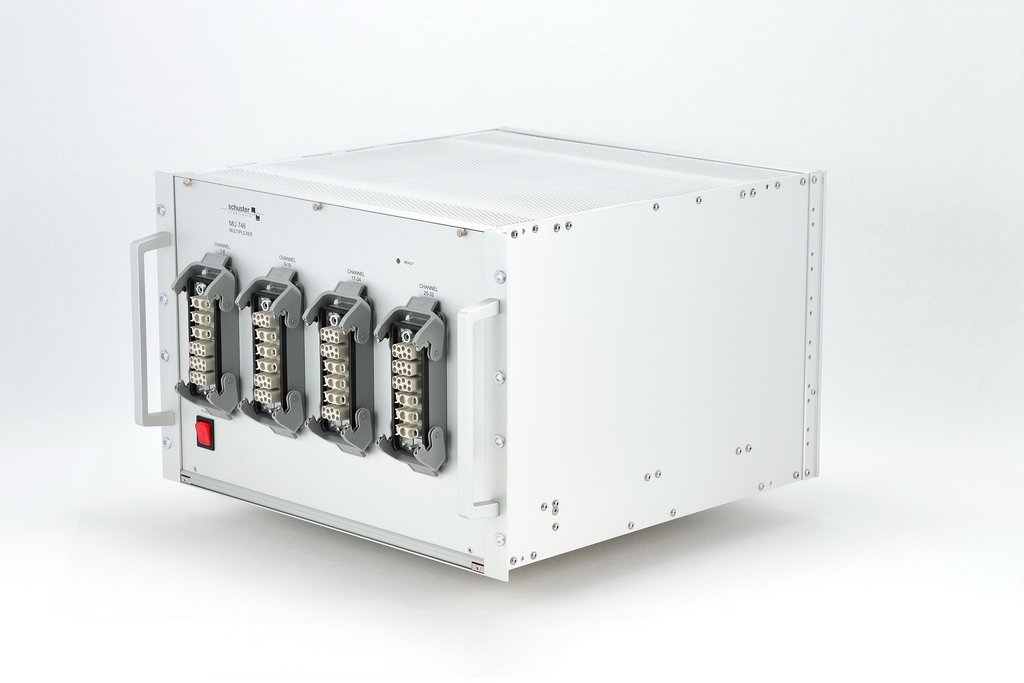
MU 746
MULTIPLEXER
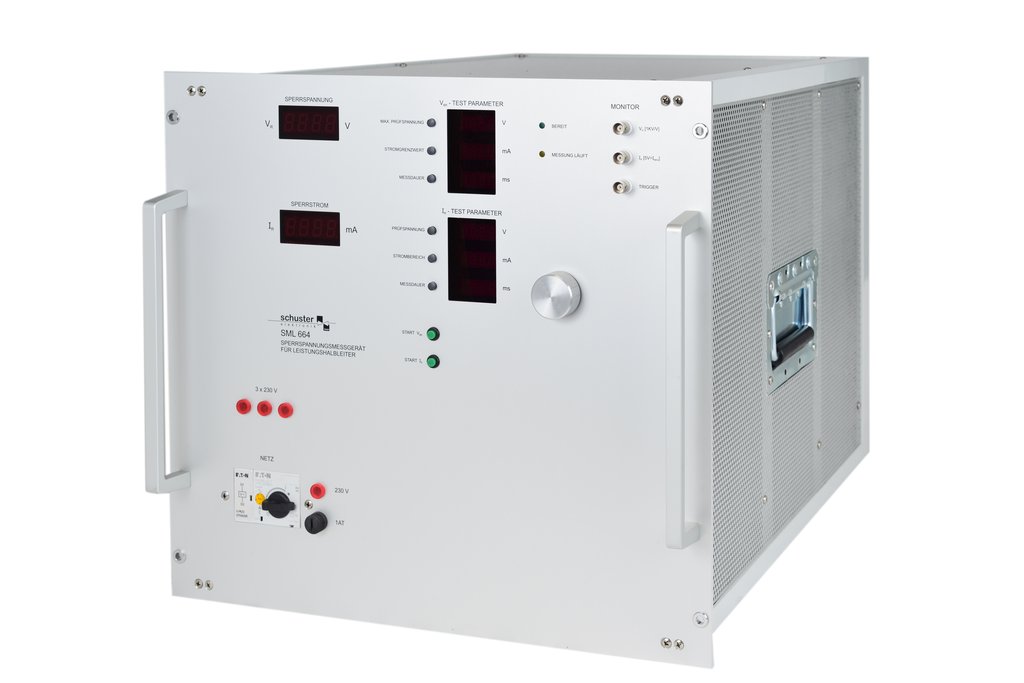
SML 664
BLOCKING VOLTAGE¬ TESTER FOR POWER SEMICONDUCTORS
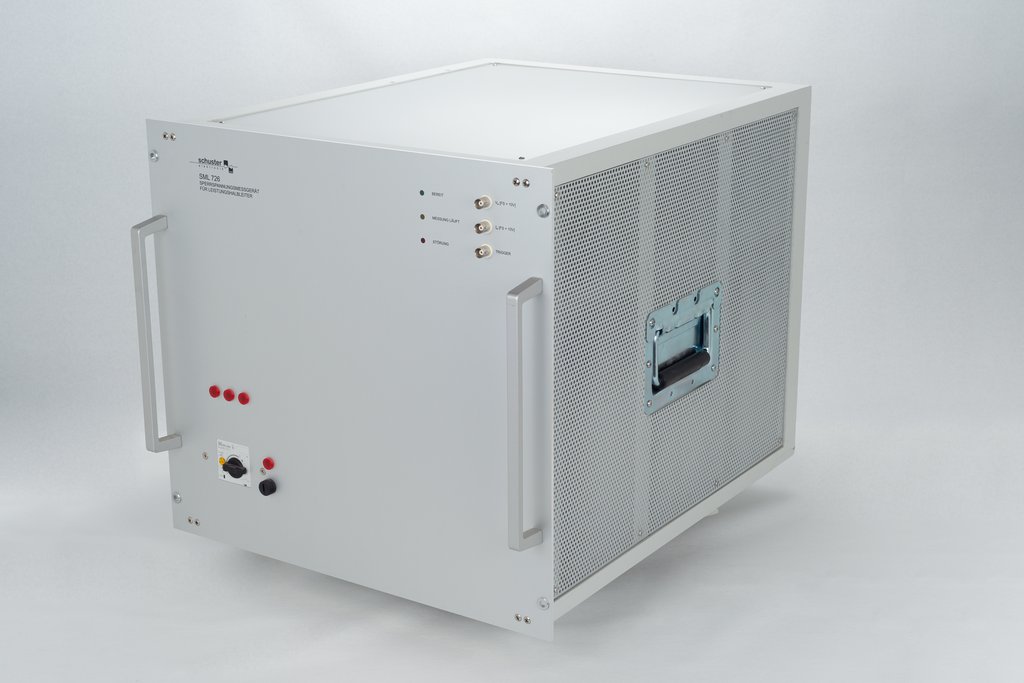
SML 726
BLOCKING VOLTAGE-TESTER FOR POWER SEMICONDUCTORS
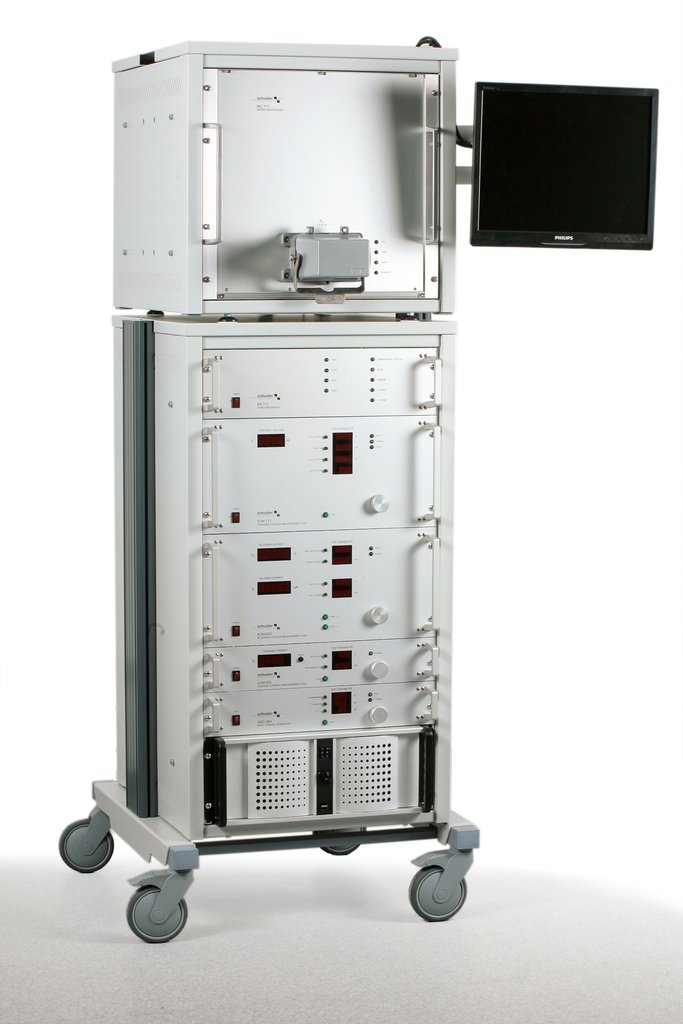
STS 717
TEST SYSTEM FOR SEMICONDUCTORS
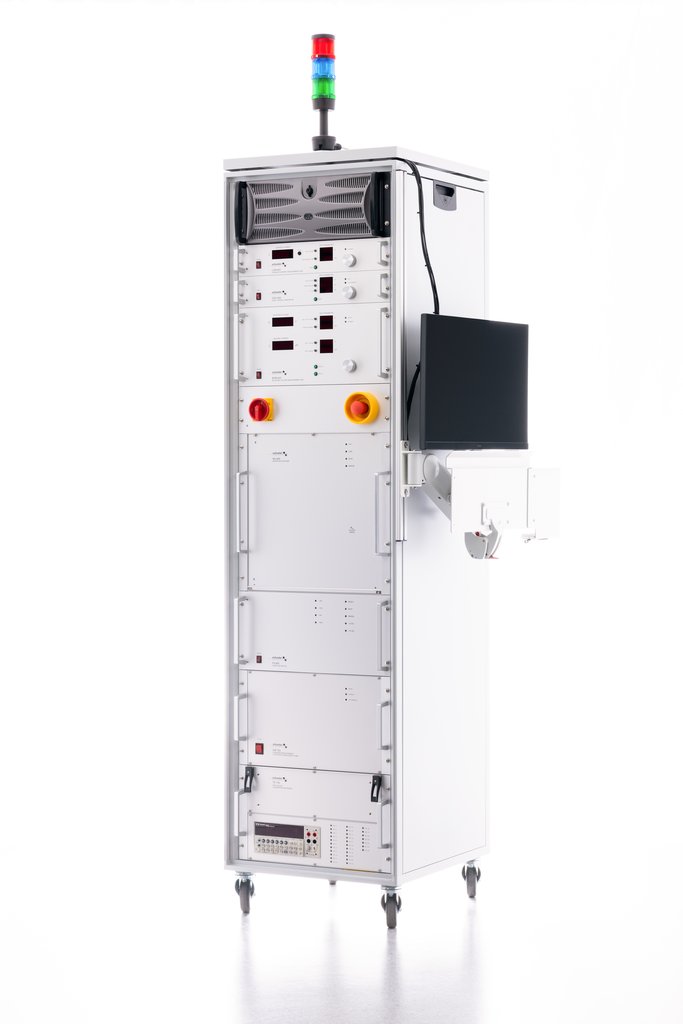
STS 805
MEASUREMENT SYSTEM FOR POWER SEMICONDUCTORS
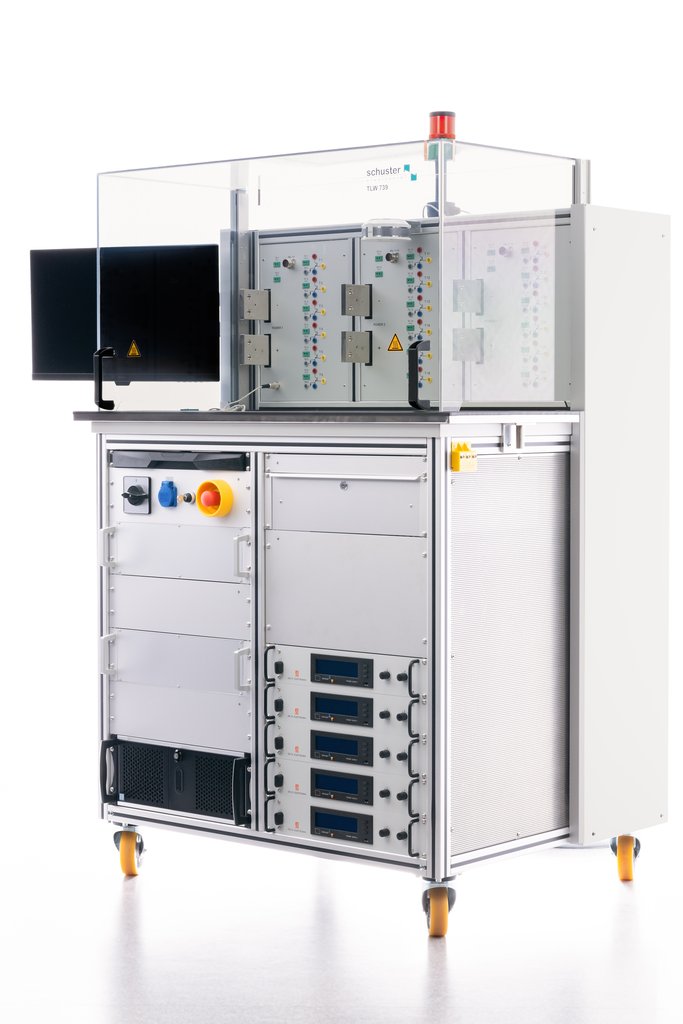
TLW 739
TEST SYSTEM FOR STABILITY OF SEMICONDUCTOR MODULES UNDER LOAD CHANGE
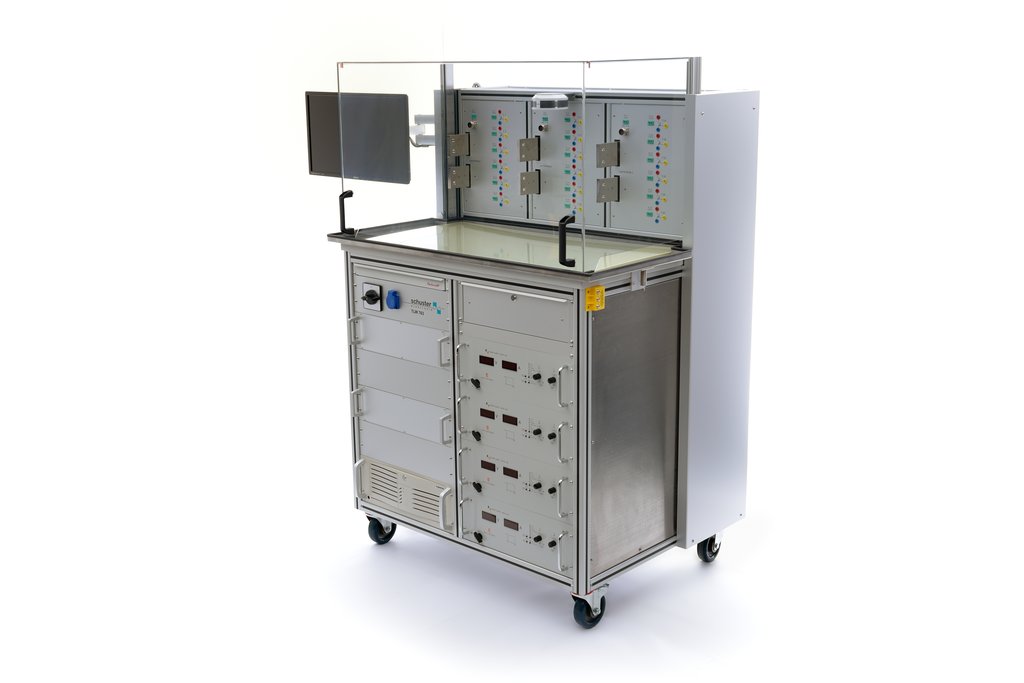
TLW 763
LOAD CYCLE TESTER FOR POWER SEMICONDUCTORS
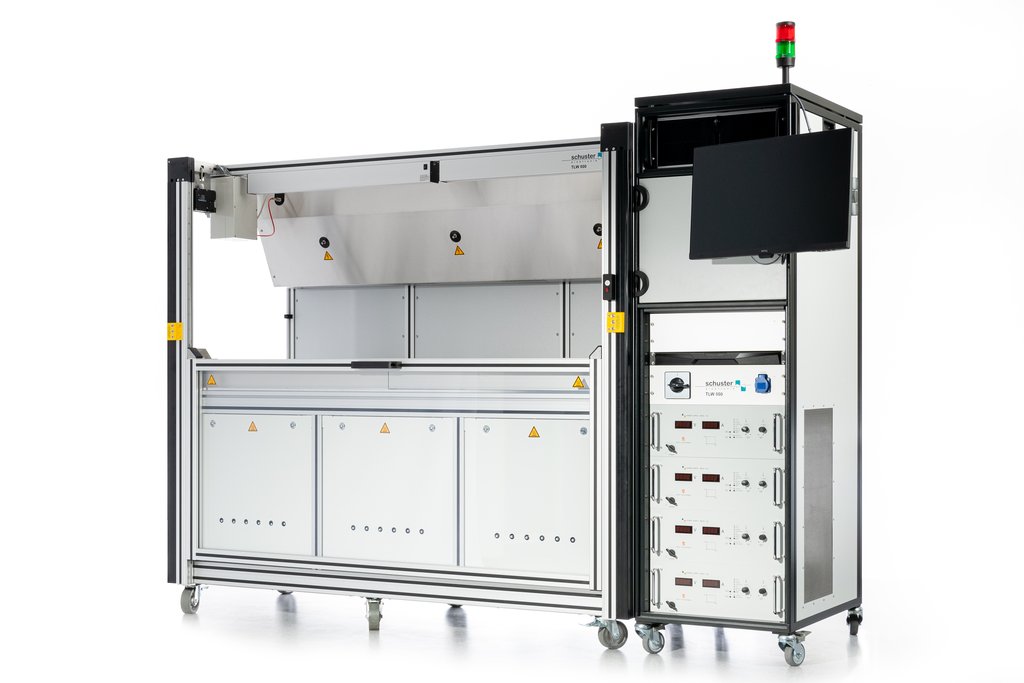
TLW 800
TEST SYSTEM FOR STABILITY OF SEMICONDUCTOR MODULES UNDER LOAD CHANGE
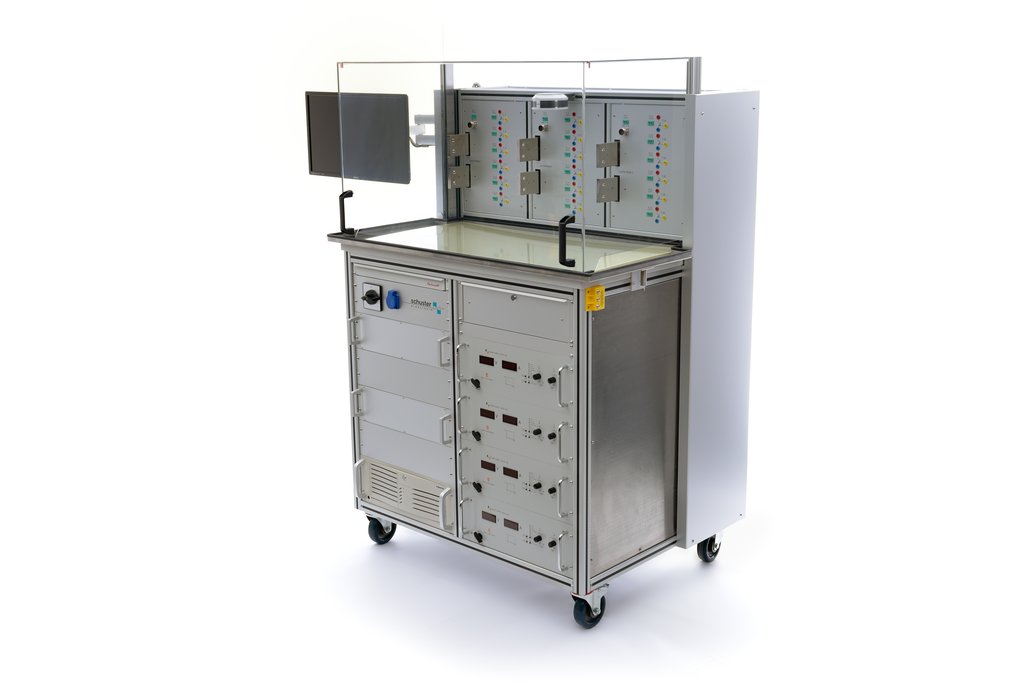
TLW 813
LOAD CYCLE TESTER FOR POWER SEMICONDUCTORS
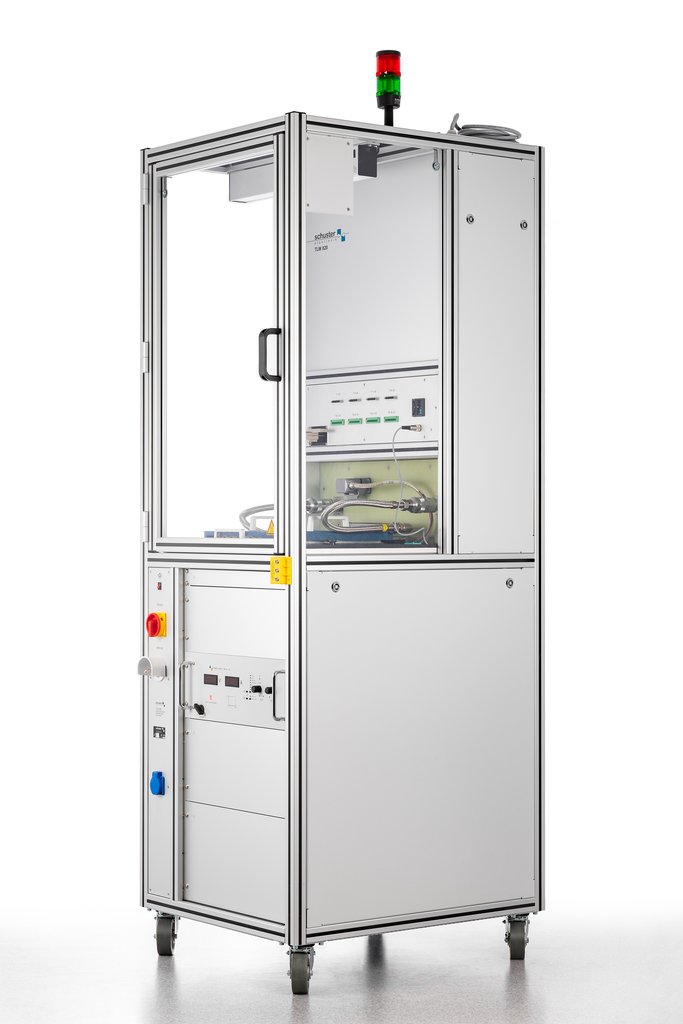
TLW 820
LOAD CYCLE TESTER FOR POWER SEMICONDUCTORS
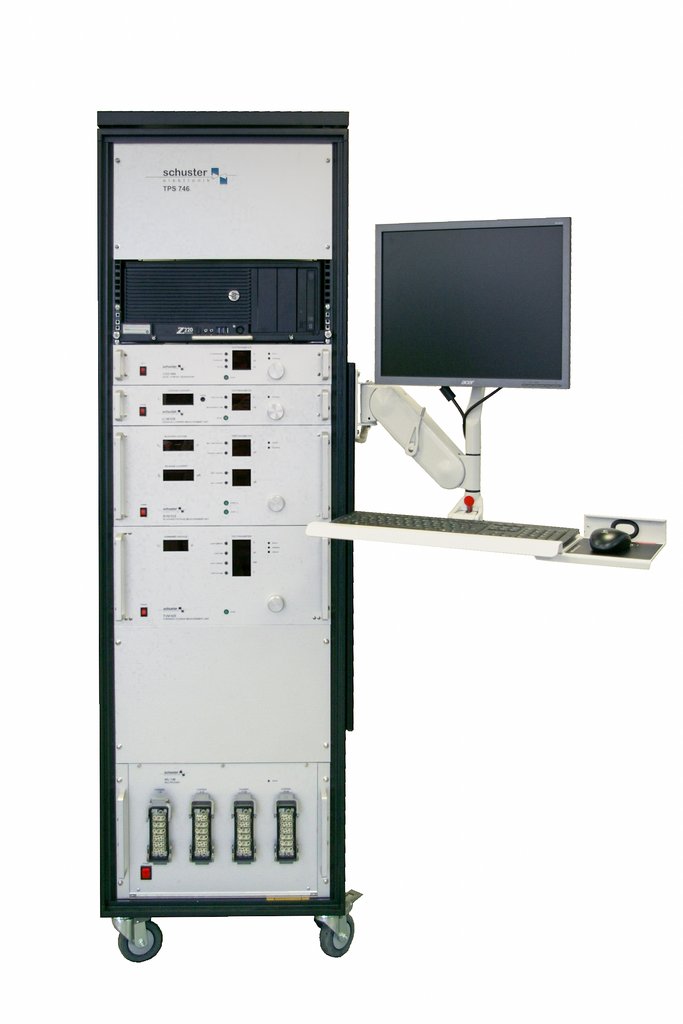
TPS 625
TEST SYSTEM FOR POWER SEMICONDUCTORS
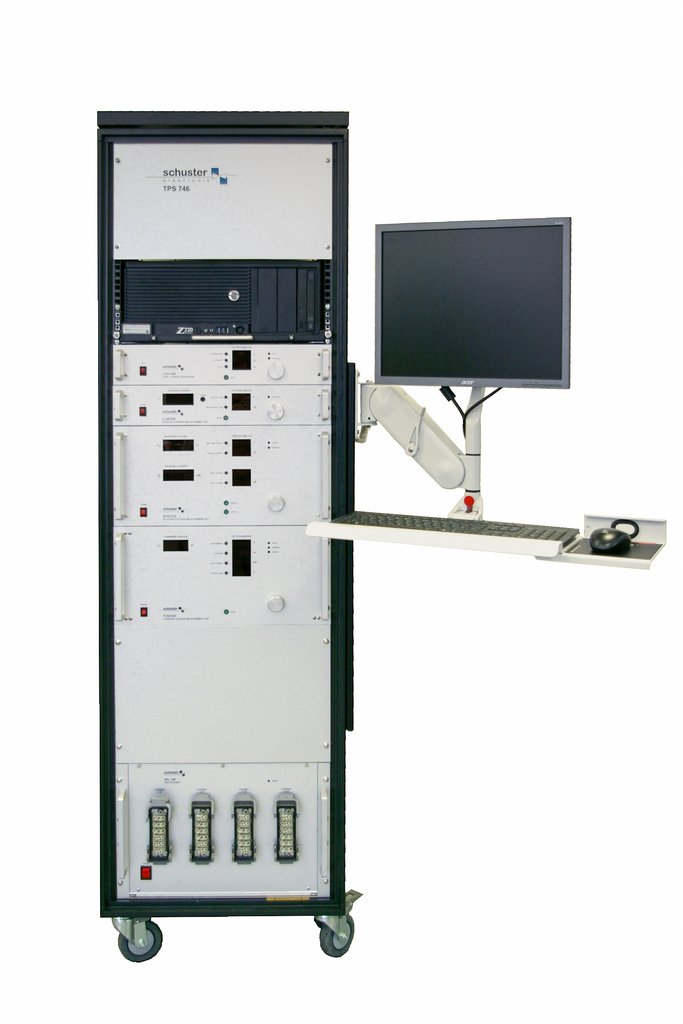
TPS 746
TEST SYSTEM FOR POWER SEMICONDUCTORS
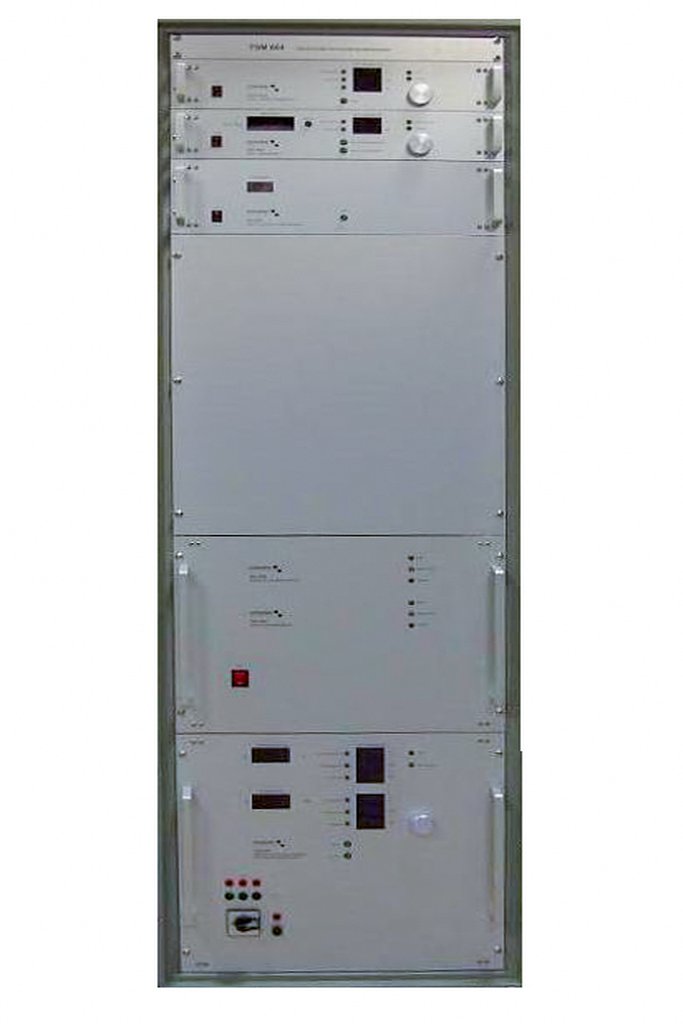
TSM 664
TEST SYSTEM FOR STATIC ELECTRICAL MEASUREMENTS OF POWER SEMICONDUCTORS
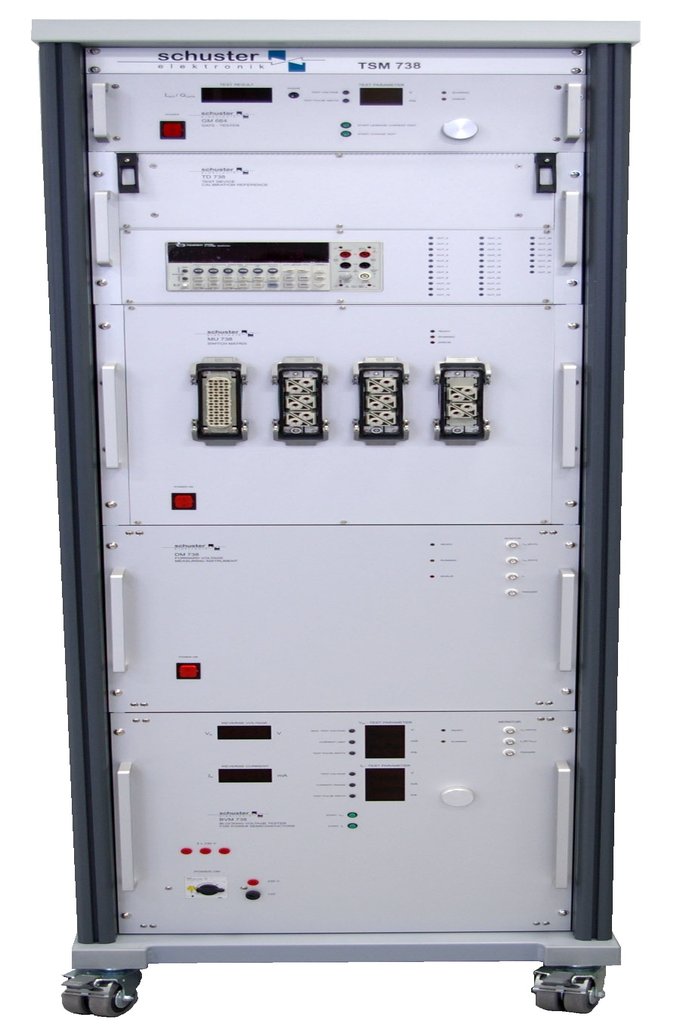
TSM 738
TEST SYSTEM FOR POWER SEMICONDUCTORS
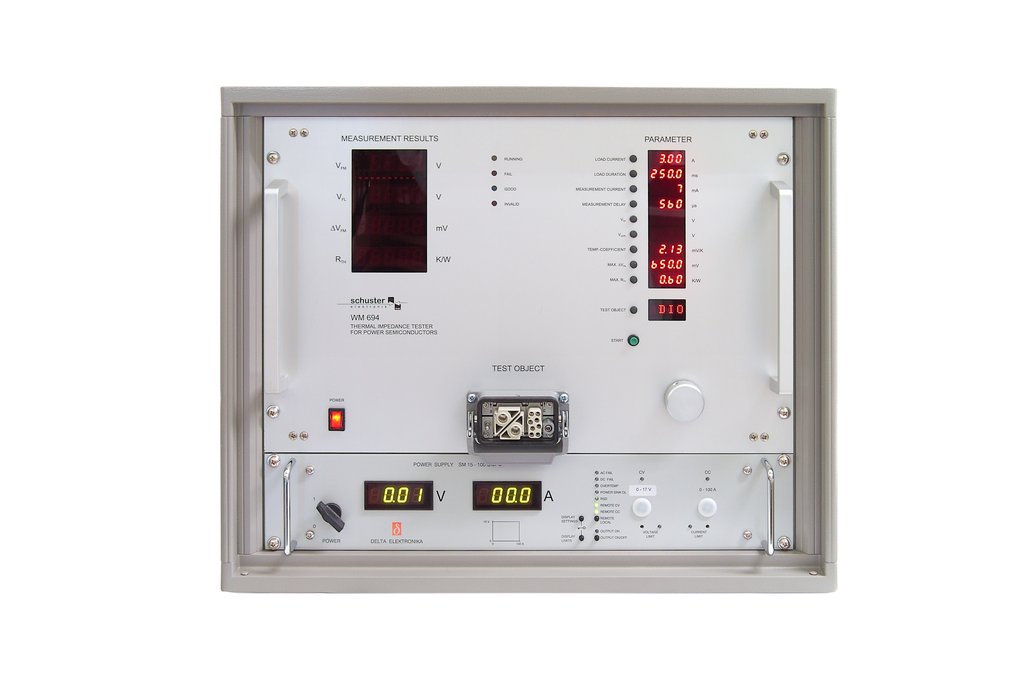
WM 694
THERMAL RESISTANCE TESTER FOR POWER SEMICONDUCTORS
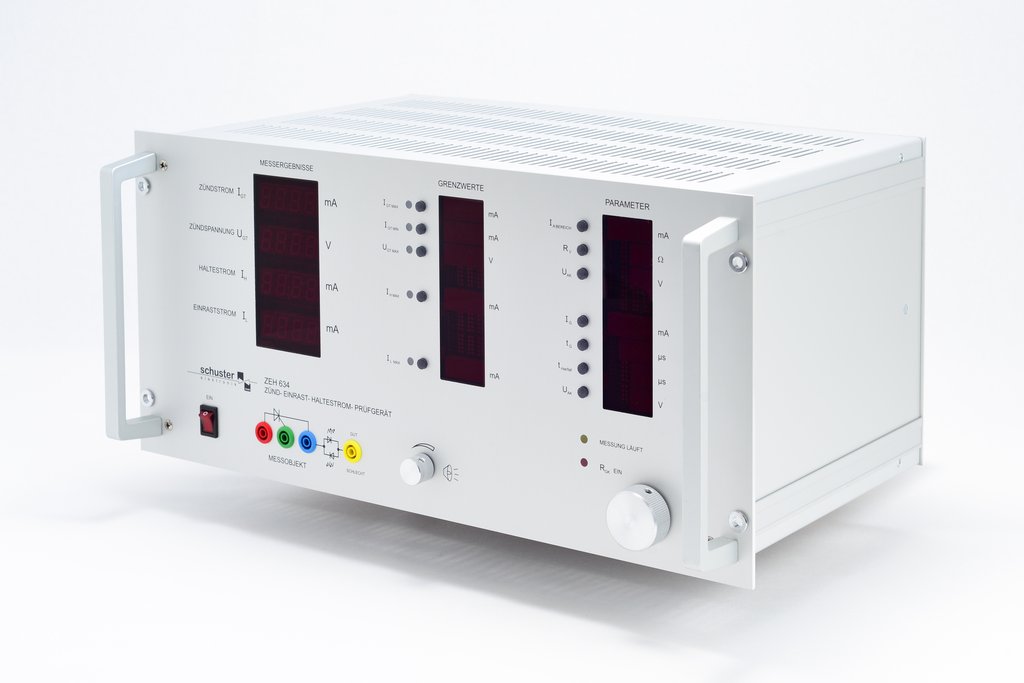
ZEH 634
MEASURING DEVICE FOR GATE- TRIGGER-, LATCHING AND HOLDING CURRENT
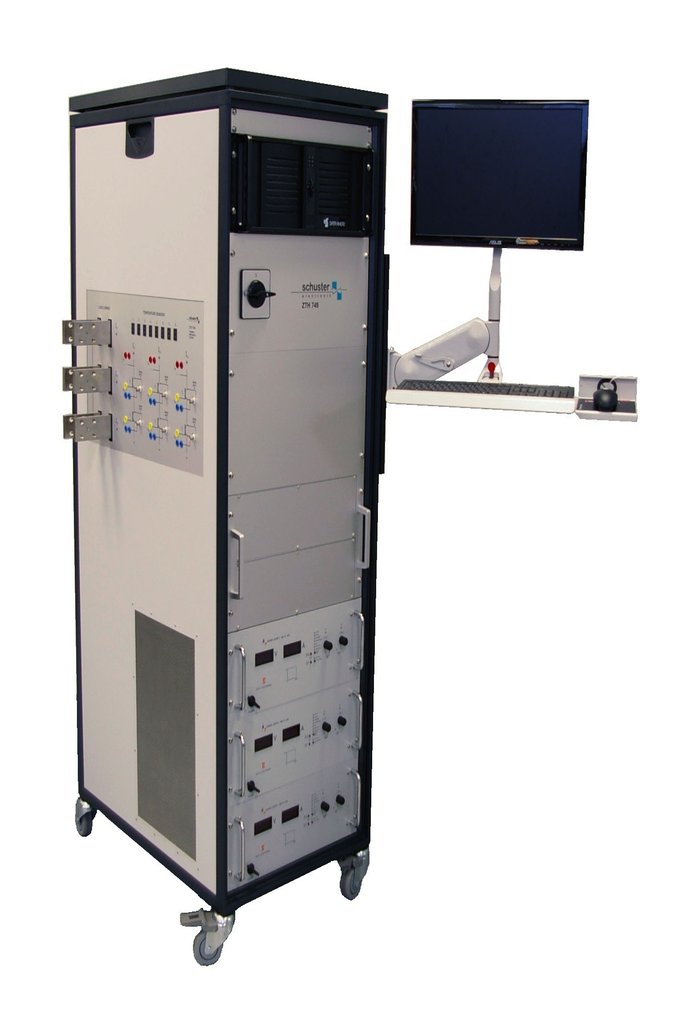
ZTH 749
THERMAL RESISTANCE TESTER FOR POWER SEMICONDUCTORS
| Model | Description |
|---|---|
| BVM 625 | BLOCKING VOLTAGE MEASUREMENT UNIT |
| BVM 729 | Characteristic Curve Measuring Device |
| BVM 738 | BLOCKING VOLTAGE¬ TESTER FOR POWER SEMICONDUCTORS |
| DM 659 | FORWARD VOLTAGE MEASURING DEVICE |
| DM 678 | FORWARD VOLTAGE MEASURING SYSTEM WITH MULTIPLEXER |
| DM 714 | FORWARD VOLTAGE MEASURING DEVICE |
| DM 725 | FORWARD VOLTAGE MEASURING DEVICE |
| DM 736 | FORWARD VOLTAGE MEASUREMENT UNIT |
| DM 821 | FORWARD VOLTAGE MEASURING DEVICE FOR POWER SEMICONDUCTORS |
| DQA 775 | FORWARD VOLTAGE, GATE CHARGE, AND AVALANCHE MEASURING DEVICE |
| DT 616 | DIODE TESTER |
| DTS 761 | DYNAMIC TEST SYSTEM FOR POWER SEMICONDUCTORS |
| DVDT 736 | DV/DT TESTER FOR THYRISTORS |
| FVM 625 | FORWARD VOLTAGE MEASUREMENT UNIT |
| GSG 664 | GATE STRESS GENERATOR |
| HTRB 689 | TEST SYSTEM FOR HIGH TEMPERATURE REVERSE BIAS OF POWER SEMICONDUCTORS |
| HTRB 782 | TEST STATION FOR HIGH TEMPERATURE REVERSE BIAS |
| HTRB 784 | PRÜFANLAGE FÜR HOCHTEMPERATURSPERRLAGERUNG |
| IP 625 | ISOLATION TESTER |
| IP 630 | ISOLATION TESTER |
| JT 777 | JEDEC TESTER FOR DIODES |
| KKM 740 | CABLE CAPACITY MEASUREMENT DEVICE |
| KML 710 | BLOCKING VOLTAGE TESTER FOR POWER SEMICONDUCTORS |
| KTM 604 | CAPACITY TOLERANCE MEASURING BRIDGE FOR POWER CAPACITORS |
| LCM 625 | MEASURING DEVICE FOR LEAKAGE CURRENT OF MOS-TRANSISTORS AND IGBTs |
| LRT 640 | LOW RESISTANCE TESTER |
| LRT 703 | LOW RESISTANCE TESTER |
| MLH 634 | MEASURING SYSTEM FOR POWER SEMICONDUCTORS |
| MU 625 | MULTIPLEXER |
| MU 746 | MULTIPLEXER |
| SML 664 | BLOCKING VOLTAGE¬ TESTER FOR POWER SEMICONDUCTORS |
| SML 726 | BLOCKING VOLTAGE-TESTER FOR POWER SEMICONDUCTORS |
| STS 717 | TEST SYSTEM FOR SEMICONDUCTORS |
| STS 805 | MEASUREMENT SYSTEM FOR POWER SEMICONDUCTORS |
| TLW 739 | TEST SYSTEM FOR STABILITY OF SEMICONDUCTOR MODULES UNDER LOAD CHANGE |
| TLW 763 | LOAD CYCLE TESTER FOR POWER SEMICONDUCTORS |
| TLW 800 | TEST SYSTEM FOR STABILITY OF SEMICONDUCTOR MODULES UNDER LOAD CHANGE |
| TLW 813 | LOAD CYCLE TESTER FOR POWER SEMICONDUCTORS |
| TLW 820 | LOAD CYCLE TESTER FOR POWER SEMICONDUCTORS |
| TPS 625 | TEST SYSTEM FOR POWER SEMICONDUCTORS |
| TPS 746 | TEST SYSTEM FOR POWER SEMICONDUCTORS |
| TSM 664 | TEST SYSTEM FOR STATIC ELECTRICAL MEASUREMENTS OF POWER SEMICONDUCTORS |
| TSM 738 | TEST SYSTEM FOR POWER SEMICONDUCTORS |
| WM 694 | THERMAL RESISTANCE TESTER FOR POWER SEMICONDUCTORS |
| ZEH 634 | MEASURING DEVICE FOR GATE- TRIGGER-, LATCHING AND HOLDING CURRENT |
| ZTH 749 | THERMAL RESISTANCE TESTER FOR POWER SEMICONDUCTORS |
Have Questions?
We're happy to advise you on our measuring instruments and test systems.